

Pest education
Why German Cockroach Infestations Are Common in Central Valley Homes
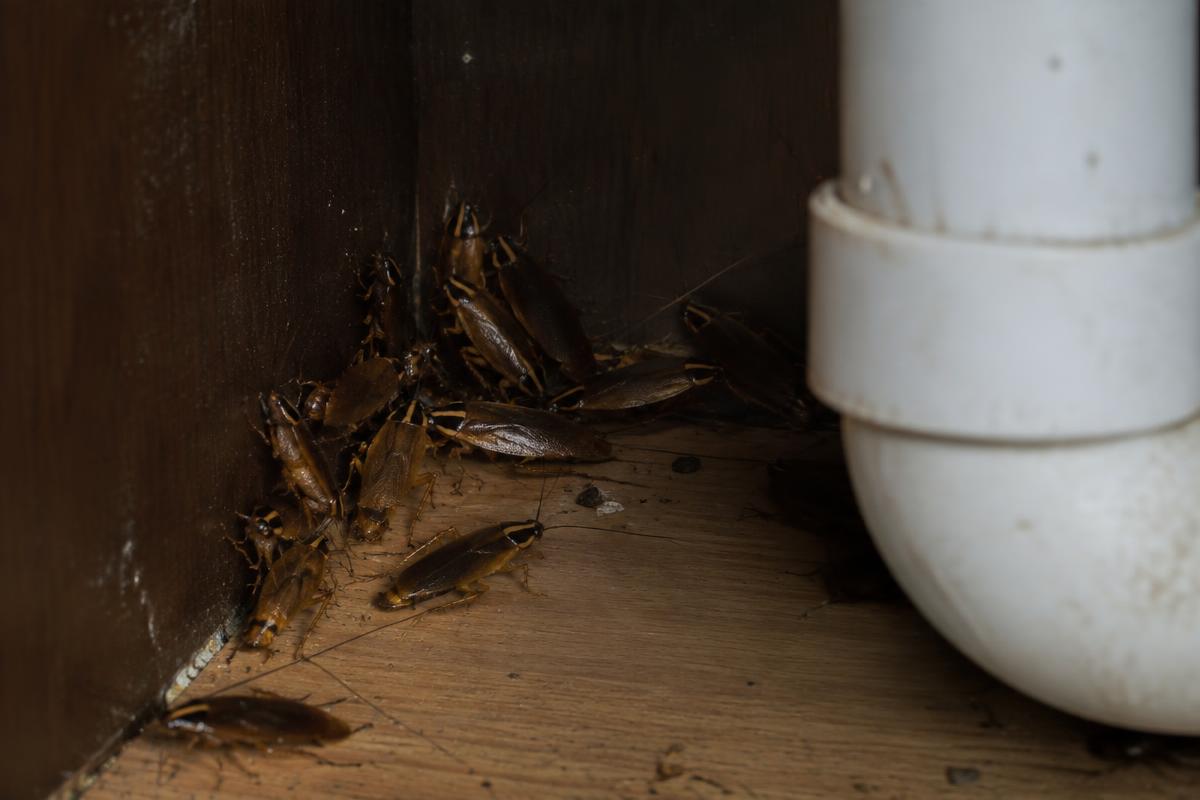
Seeing a small roach near your kitchen sink is frustrating. Seeing several at night—or spotting them during the day can indicate a much larger problem hidden behind cabinets, appliances, and plumbing fixtures. For homeowners seeking German cockroach control in Central Valley, understanding why these pests thrive is the first step toward stopping an infestation rather than repeatedly treating visible roaches.
German cockroaches prefer warm, sheltered areas close to food and moisture. Kitchens and bathrooms provide exactly those conditions, while the insects' rapid reproductive cycle can allow a small introduction to become a persistent household infestation.
What Makes German Roaches So Difficult to Eliminate?
German cockroaches are particularly challenging because treatment has to address more than the insects you can see.
A female German cockroach carries an egg case, called an ootheca, until shortly before the eggs hatch. This means a treatment that kills exposed adults may still leave the next generation developing inside protected areas.
Common hiding locations include:
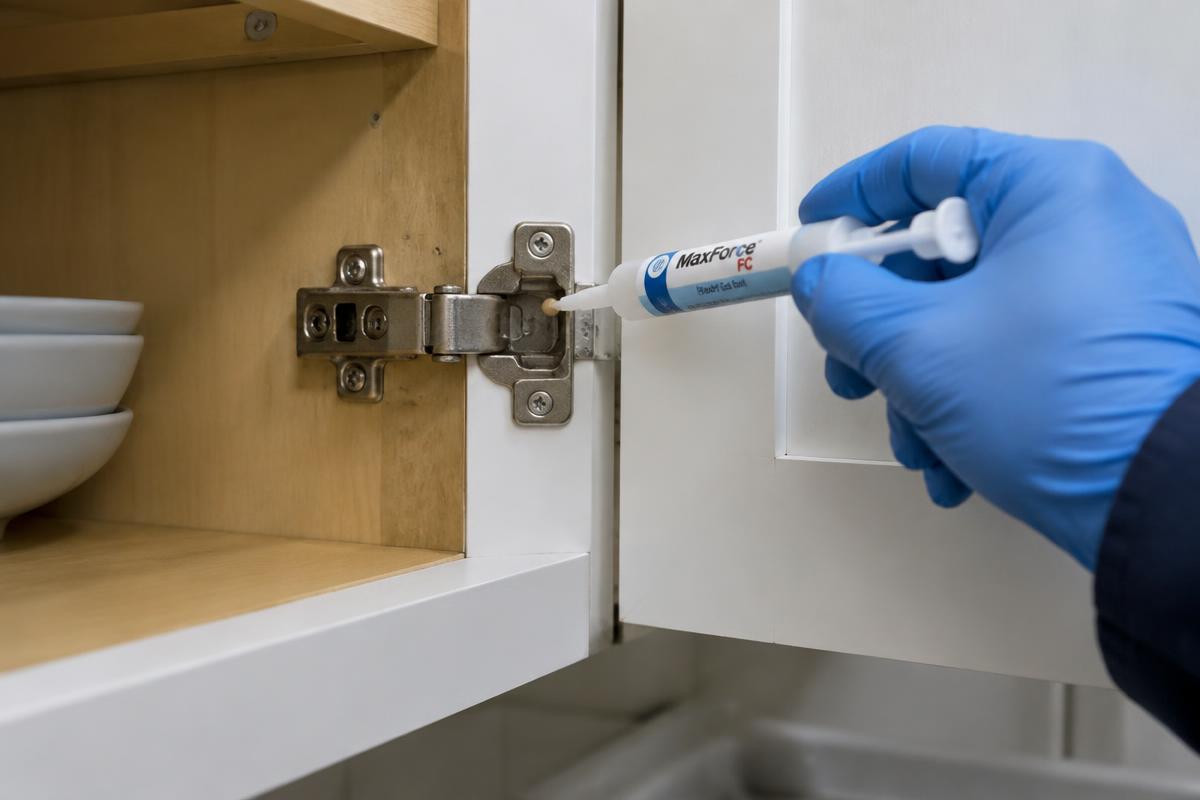
- Cabinet hinges and voids
- Dishwasher and refrigerator areas
- Appliance motor compartments
- Plumbing penetrations
- Cracks around countertops and baseboards
- Areas underneath or behind kitchen equipment
This is why simply spraying every visible roach may produce only temporary results.
Why Are Central Valley Homes Vulnerable?
Central Valley homes can provide the warmth, food access, water, and sheltered spaces that German cockroaches need. Everyday activities such as cooking, washing dishes, storing groceries, and taking out trash can create small food and moisture sources.
Roaches can also enter homes through items brought indoors. The U.S. Environmental Protection Agency recommends checking boxes and bags for roaches before bringing them into a home and reducing clutter that can provide hiding places.
In multifamily housing, neighboring units can also matter. German cockroaches may move through shared walls, plumbing pathways, or utility penetrations, making the source of an infestation less obvious.
How Can I Get Rid of German Roaches in the Central Valley?
The most reliable approach combines sanitation, exclusion, targeted treatment, and follow-up rather than relying on one quick spray.
For an established infestation, German roach control in Central Valley generally works best when treatment targets the places where roaches hide and reproduce.
1. Remove Food and Water Sources
Keep countertops free of crumbs, clean spills promptly, store food in sealed containers, and avoid leaving dirty dishes overnight. Fix leaking faucets or plumbing problems where possible.
These steps do not eliminate an established infestation by themselves, but they reduce competing food and water sources and make professional treatments more effective.
2. Reduce Hiding Places
Clear unnecessary cardboard, paper bags, and clutter from kitchens, pantries, and utility areas. Inspect appliances and cabinets where practical.
Do not dismantle appliances or disturb suspected harborage areas unnecessarily. A pest professional can identify areas that need treatment without creating additional hiding opportunities.
3. Avoid Foggers and Random Spraying
Foggers can seem like a fast solution, but they are poorly suited to the concealed harborage habits of German cockroaches. The EPA and public-health guidance emphasize targeted pest management and reducing exposure to unnecessary pesticide applications.
4. Use Targeted Treatment and Follow-Up
Professional German roach treatment may involve strategically placed gel bait, insect growth regulators, inspection of harborage points, and repeated visits.
| Approach | Primary Focus | Limitation |
|---|---|---|
| DIY surface spray | Visible roaches | May miss hidden populations |
| Fogger | Whole-room pesticide dispersal | Can disperse roaches |
| Baiting | Roaches in harborage areas | Requires correct placement |
| Professional cleanout | Population + breeding cycle | Requires follow-up and preparation |
What Should Homeowners Expect During Treatment?
Preparation can make a significant difference. Depending on the treatment plan, homeowners may be asked to clean food debris, remove items from cabinets, eliminate standing water, and follow specific instructions before a technician arrives.
Professional treatment should also account for where roaches are actually living—not simply where homeowners happen to see them.
If roaches continue returning after treatment, the problem may involve untreated harborage, egg cases, food or moisture sources, or movement from another connected area. Our related guide, German Roaches: Why They Keep Coming Back, explains why recurring infestations often require a more comprehensive strategy.
Cockroach control also matters for indoor air quality. The CDC notes that cockroach allergens can contribute to asthma symptoms in sensitive individuals and recommends reducing food and water sources, cleaning crumbs and spills, sealing cracks, and controlling infestations.
When Should You Call a Pest Professional?
A professional inspection is worth considering when you notice:
- Roaches during daylight hours
- Droppings inside cabinets or drawers
- Multiple roaches in different rooms
- Egg cases or shed skins
- Recurring activity despite DIY treatment
- Roaches around appliances or plumbing areas
Daytime sightings can be particularly concerning because German cockroaches are generally more active at night. However, the number of visible roaches alone cannot reliably determine the size of an infestation.
Conclusion: Stop Treating the Symptoms
German cockroaches thrive when food, moisture, warmth, and protected harborage come together. Effective control therefore requires more than eliminating the insects that happen to be visible.
If you're dealing with recurring activity, German cockroach removal in Central Valley should focus on identifying harborage areas, reducing favorable conditions, applying targeted treatment, and following through with subsequent inspections or treatments when needed.
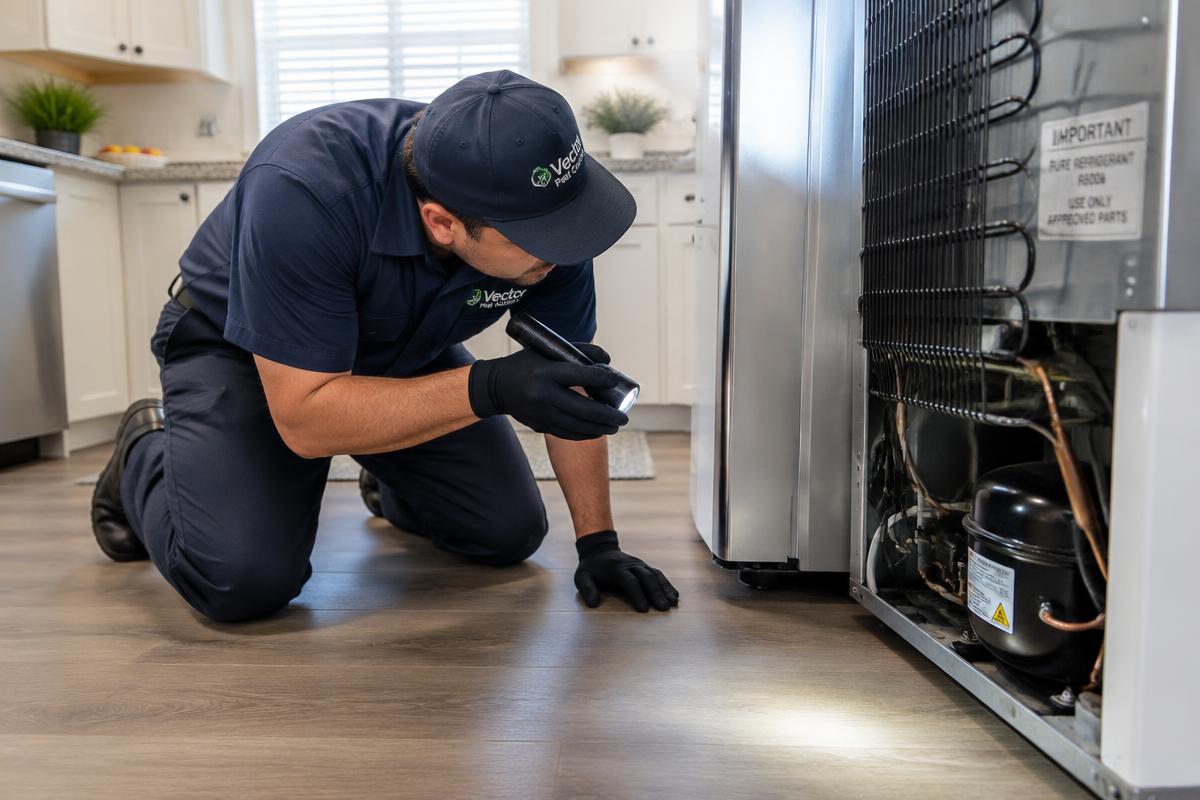
For homeowners throughout the Central Valley, TruBug Pest Control provides targeted pest-control services designed around the specific conditions found in local homes. A professional assessment can help determine where the infestation is concentrated and what treatment approach is appropriate.
Ready to address a German cockroach infestation? Contact TruBug Pest Control for a home assessment and a treatment plan tailored to your situation.
Key Takeaways
- German cockroaches thrive around warmth, food, moisture, and protected kitchen and bathroom harborage.
- A single spray may not address hidden roaches or developing egg cases.
- Sanitation, moisture reduction, targeted treatment, and follow-up work together for more effective control.
- Recurring or daytime activity is a good reason to have the infestation professionally inspected.
FAQs
Frequently Asked Questions
German cockroaches reproduce rapidly, and egg cases can protect developing offspring from treatments aimed at exposed adults. That is why follow-up treatment can be important.
No. Clean homes can experience German cockroach infestations. Food, moisture, warmth, building conditions, neighboring units, and items brought indoors can all contribute.
Foggers are generally not a good solution for German cockroaches because they may not reach concealed harborage areas and can disperse roaches. Targeted treatment is generally more appropriate.
Food crumbs, grease, spills, garbage, moisture, leaking plumbing, and warm sheltered spaces around appliances can make kitchens attractive to German cockroaches.
Yes. Continued sanitation and moisture control help reduce conditions that support roach activity and can complement professional treatment.