

Pest education
How Regular Pest Control Helps Prevent Household Infestations
Key Takeaways
- Regular pest control helps reduce recurring household pest activity through preventive exterior treatments and monitoring.
- Scheduled inspections help identify pest hotspots and potential entry points before infestations become established.
- Homeowners can improve treatment effectiveness by maintaining sanitation, reducing moisture, and sealing entry points.
- Recurring pest management provides ongoing attention to changing pest pressure rather than relying exclusively on emergency treatments.
An occasional ant or spider may seem harmless, but repeated sightings often indicate that pests have found reliable access to food, water, or shelter. Waiting until insects spread throughout your home can make the problem more difficult to manage.
Regular general pest control in Central Valley helps homeowners address pest activity before it develops into a persistent infestation. Instead of reacting to every new pest sighting, recurring services focus on maintaining protective barriers, identifying vulnerable areas, and reducing conditions that attract insects.
Why Is Regular Pest Control Important for Central Valley Homes?
The Central Valley's seasonal temperatures, landscaping, irrigation systems, and outdoor living spaces can create opportunities for pests to approach residential properties. Ants, spiders, earwigs, crickets, silverfish, and wasps may become recurring concerns around homes.
Regular ongoing pest control in Central Valley helps manage these pressures by addressing exterior conditions where pests commonly gather before they move indoors.
A preventive approach offers several practical advantages:
- Earlier detection: Technicians can identify developing pest activity before it becomes widespread.
- Consistent protection: Maintaining exterior treatments helps manage recurring pest pressure.
- Reduced indoor activity: Addressing outdoor entry points can reduce the likelihood of insects entering living spaces.
- More predictable maintenance: Scheduled visits make pest management easier to plan.
- Targeted recommendations: Technicians can identify conditions such as vegetation touching walls or gaps around utility penetrations.
The objective is not to eliminate every insect outdoors. It is to reduce unwanted pest activity around the home and prevent common household pests from establishing themselves indoors.
How Does Recurring Pest Control Work in the Central Valley?
Recurring pest control works through scheduled inspections, preventive exterior treatments, monitoring, and additional service when necessary. The frequency depends on the property's pest pressure, treatment requirements, and service agreement.
A typical routine pest control in Central Valley program follows a practical sequence.
1. Inspect the Property
A technician examines areas where pests frequently travel or establish hiding places, including foundation edges, eaves, patios, garage spaces, landscaping, and accessible entry points.
Identifying pest activity and potential access routes helps determine which areas need attention.
2. Treat Exterior Pest Hotspots
Exterior treatment is often the foundation of preventive household pest management.
Depending on the service plan and pest concerns, treatments may include:
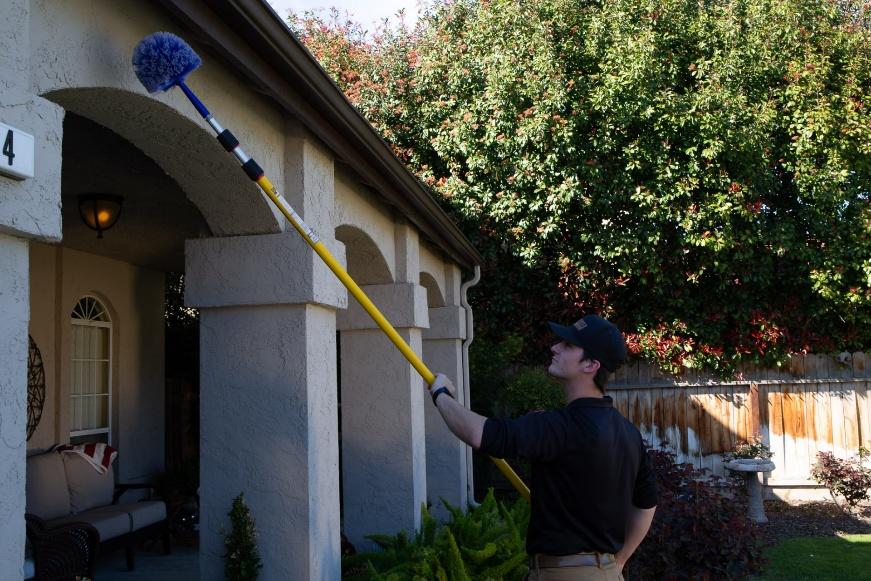
- Removing accessible spider webs from eaves and outdoor structures.
- Applying appropriate treatments around the foundation.
- Treating landscape edges and selected outdoor areas.
- Addressing visible pest activity around patios, garages, and entryways.
3. Address Indoor Activity When Needed
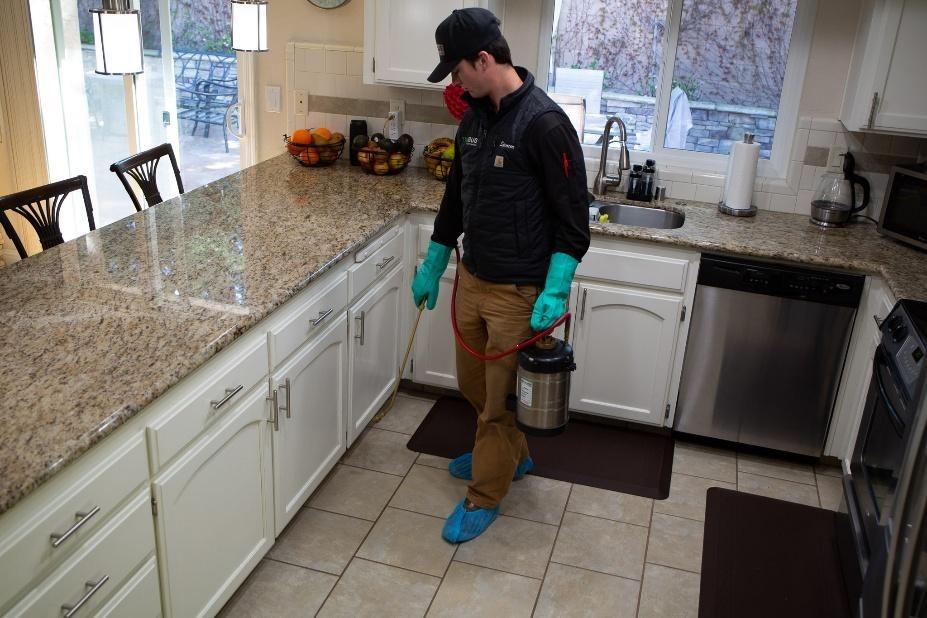
If pests are appearing inside, technicians can assess affected areas and recommend appropriate interior treatment.
Kitchen baseboards, under-sink spaces, cabinet areas, and other pest-prone locations may require attention depending on the infestation and service scope.
4. Maintain Protection Through Scheduled Visits
Preventive treatments do not remain equally effective indefinitely. Weather, irrigation, landscaping changes, and pest activity can influence how long exterior protection remains useful.
Regular visits allow technicians to reassess conditions and maintain the treatment plan instead of waiting for a noticeable infestation.
5. Provide Follow-Up When Pest Activity Returns
A recurring program should include clear guidance on what happens between scheduled appointments.
For example, TruBug Pest Control offers free re-service between scheduled visits when covered pests return under its general pest service. This helps homeowners address renewed activity without automatically waiting for their next appointment.
Regular Pest Control vs. Reactive Pest Treatment
| Preventive pest control | Reactive pest treatment |
|---|---|
| Scheduled visits maintain protection | Service begins after a problem becomes noticeable |
| Exterior pest hotspots receive regular attention | Treatment focuses primarily on the reported infestation |
| Technicians can observe changing conditions over time | Inspections often focus on the immediate issue |
| Helps reduce recurring pest pressure | Addresses an existing pest problem |
| Supports predictable household maintenance | May require urgent or additional visits |
What Can Homeowners Do Between Pest Control Visits?
Professional treatments work best when homeowners also reduce the conditions that attract pests.
The U.S. Environmental Protection Agency recommends Integrated Pest Management (IPM), which combines prevention, monitoring, and appropriate control methods rather than relying exclusively on pesticides. Its Integrated Pest Management principles explain how identifying pests and addressing environmental conditions can support effective management.
Practical household measures include:
- Store pantry food and pet food in tightly sealed containers.
- Clean food crumbs and spills promptly.
- Repair leaking faucets and irrigation lines.
- Keep garbage containers covered.
- Trim shrubs and branches away from exterior walls.
- Seal appropriate gaps around doors, windows, and utility penetrations.
- Remove unnecessary cardboard and clutter from storage spaces.
- Avoid allowing standing water to collect around the property.
These habits complement recurring pest control in the Central Valley by reducing the food, moisture, and shelter pests need to survive.
When Should You Consider a Recurring Pest Control Plan?
A recurring plan may be particularly useful when you experience repeated ant trails, frequent spider webs, seasonal insect activity, or pests entering through the same exterior locations.
Homeowners who repeatedly purchase DIY sprays without addressing the source may also benefit from professional assessment.
For additional warning signs, explore 10 Signs You Need Professional Pest Control for Your Home to understand when pest activity may require professional attention.

Choosing General Pest Control in Central Valley
An effective preventive program should explain what gets treated, how frequently visits occur, which pests are covered, and what happens if activity returns between appointments.
TruBug Pest Control targets common household pests through recurring exterior treatments, with interior service available when requested. Its approach includes foundation treatment, landscape applications, de-webbing, and follow-up service for covered pest activity.
Ultimately, general pest control in Central Valley is most effective when professional treatments and everyday prevention work together. Maintaining exterior protection, correcting pest-friendly conditions, and addressing activity early can help homeowners avoid many recurring household pest problems.
For consistent preventive protection and practical recommendations for your property, contact TruBug Pest Control to discuss a service plan suited to your home's needs.
Protect your home before pests become a persistent problem. Contact TruBug Pest Control today to explore recurring pest management and schedule a professional assessment.
Frequently Asked Questions
Quarterly service is a common starting point for many homes. Properties with higher pest pressure, moisture concerns, or recurring activity may require more frequent treatments based on professional recommendations.
No. Recurring treatments help reduce pest activity and infestation risks, but they cannot guarantee complete prevention. Sanitation, moisture control, and sealing entry points remain important.
General pest control commonly addresses ants, spiders, earwigs, crickets, silverfish, and certain wasps. Coverage varies by provider and service agreement.