

Pest education
10 Signs You Need Professional Pest Control for Your Home
Key Takeaways
- Repeated pest sightings, droppings, unusual sounds, and property damage may indicate an infestation.
- DIY treatments may not resolve pests hiding inside walls, crawl spaces, or other inaccessible areas.
- Early action can help limit contamination, structural damage, and recurring pest activity.
- Choose a provider who explains the treatment plan, safety precautions, and follow-up requirements.
Introduction
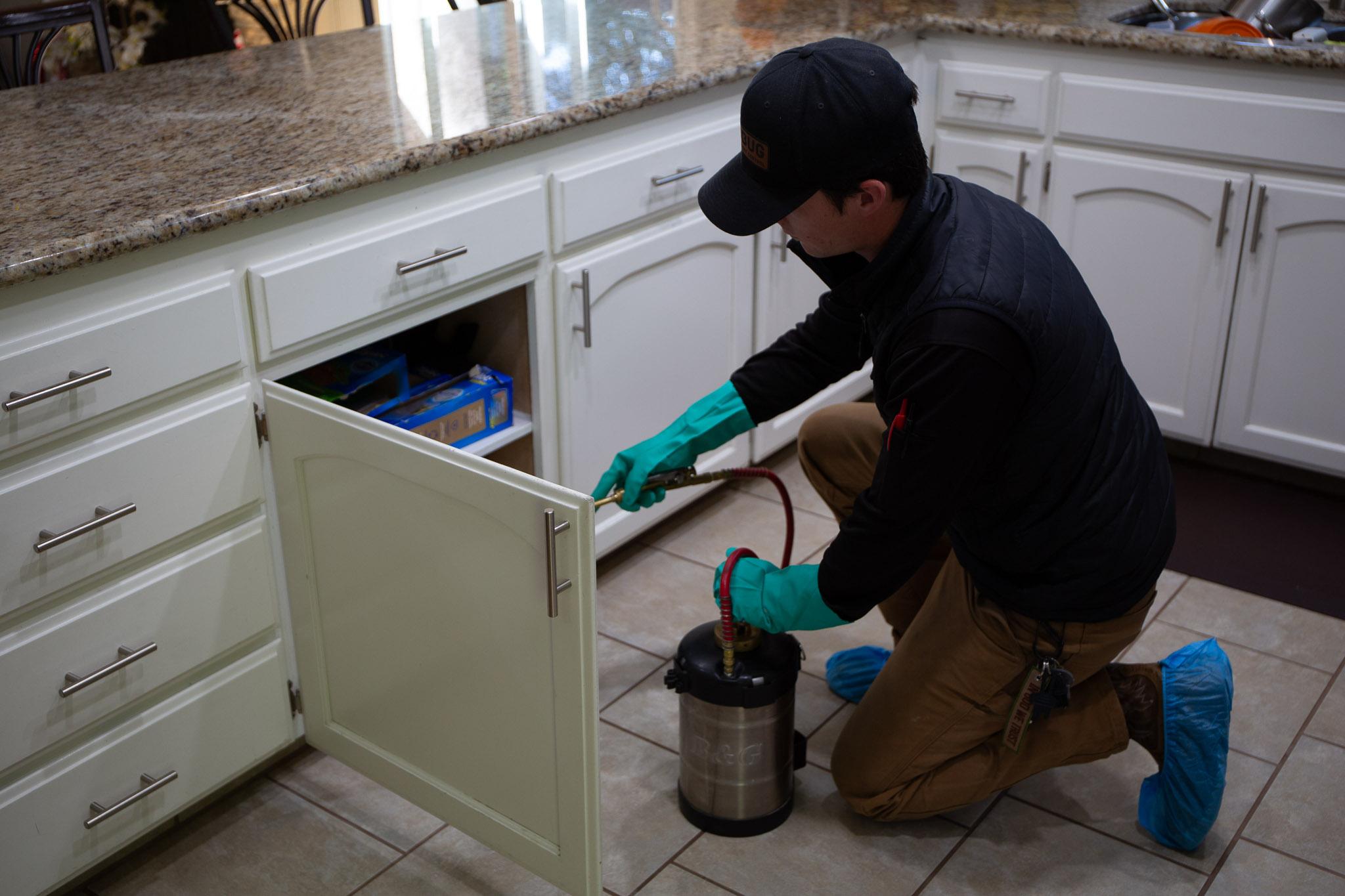
Spotting an ant in the kitchen might not seem serious, but repeated sightings or unexplained damage can point to a larger problem. local pest control company in Clovis can help identify the source of persistent pest activity and recommend suitable treatment. Here are ten signs that suggest your home may need professional attention before the problem becomes harder to manage.
10 Signs Your Home Needs Professional Pest Control
### 1. You Keep Seeing Pests Indoors
An occasional insect may enter through an open door, but seeing ants, cockroaches, spiders, or rodents repeatedly can indicate an established problem. Pay attention to where and when they appear. Frequent sightings in kitchens, bathrooms, or storage areas may reveal access points or conditions attracting pests.
### 2. You Find Droppings or Unusual Stains
Small droppings, greasy marks along walls, and unexplained stains can indicate rodent or insect activity. Check behind appliances, inside cupboards, and along baseboards without disturbing suspected nesting areas. Avoid sweeping or vacuuming rodent droppings before following public health cleaning guidance.
### 3. You Hear Scratching Inside Walls
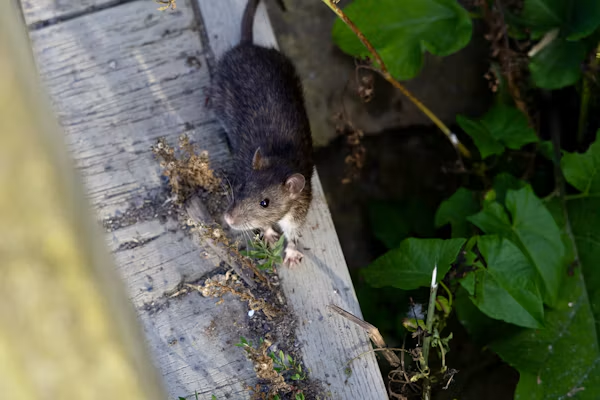
Scratching, scurrying, or gnawing sounds at night may indicate rodents moving through wall cavities, ceilings, or attic spaces. These areas can conceal nests and damaged wiring. Avoid reaching into inaccessible spaces or sealing openings before confirming whether animals remain inside.
### 4. Your Woodwork Shows Damage
Termites and other wood-damaging pests can affect timber, flooring, and structural components. Warning signs may include hollow-sounding wood, discarded wings, mud tubes, or unexplained deterioration. Because some damage remains hidden, arrange an inspection when these clues appear rather than waiting for visible structural problems.
### 5. Food Packaging Has Been Damaged
Chewed packets, tiny holes, webbing, or insects in pantry products may indicate stored-food pests or rodents. Inspect dry goods, including flour, cereal, rice, and pet food. Discard contaminated items safely, clean affected shelves, and store replacements in sealed containers.
### 6. DIY Treatments Keep Failing
If pests return shortly after spraying or placing traps, the treatment may not address their nesting sites, entry points, or breeding cycle. Different species require different approaches. A qualified pest exterminator in Clovis can identify the likely cause and recommend a treatment suited to the pest and property.
### 7. You Notice Bites or Skin Irritation
Unexplained bites may prompt concerns about fleas, bed bugs, or other pests, but skin irritation alone cannot confirm an infestation. Check bedding and pet resting areas for additional evidence. Avoid applying pesticides to skin or mattresses unless the product label specifically permits that use.
### 8. Pests Appear During the Day
Some pests are active during daylight, so timing alone does not prove an infestation. However, unusual daytime activity from normally nocturnal pests, such as cockroaches, can be a reason to investigate, especially when sightings are frequent or accompanied by droppings.
### 9. You Find Nests or Repeated Entry Points
Nesting material, burrows, insect trails, or gaps around pipes and doors can indicate that pests have established access to your home. Note the locations and avoid blocking suspected rodent openings until you know whether animals are inside. Sealing entry points is an important part of long-term prevention.
### 10. Pest Problems Keep Returning Seasonally
Recurring activity around the same time each year may reflect seasonal movement, moisture, food sources, or changes in outdoor conditions. Effective pest management in Clovis should consider why pests are returning, not just how to remove those currently visible.
| Warning sign | Possible concern | Useful next step |
|---|---|---|
| Repeated sightings | Hidden infestation | Arrange an inspection |
| Damaged timber | Wood-damaging pests | Check affected areas |
| Pantry contamination | Stored-food pests or rodents | Discard affected food |
| Recurring activity | Unresolved entry points | Review prevention measures |
How to Choose a Reliable Local Pest Control Provider in Clovis
Look for a provider who can identify the pest, explain the proposed treatment, and discuss prevention as well as removal. Ask about relevant licensing requirements, insurance, treatment costs, product safety, and whether follow-up visits are included.
The U.S. Environmental Protection Agency's Integrated Pest Management principles explain an approach that combines pest identification, monitoring, prevention, and appropriate control methods. This can help homeowners understand why simply spraying visible insects may not solve the underlying issue.
Professional Pest Control for Your Home
TruBug Pest Control is an option to explore when looking for help with household pest concerns in the Clovis. Review its website to learn about available services and determine whether they suit your situation.
Before arranging treatment, describe the pests you've seen, where they appear, and how long the problem has continued. Ask what preparation is needed, whether people and pets must leave treated areas, and what steps can help prevent pests from returning.
Frequently Asked Questions
Consider professional help when sightings persist, DIY measures fail, property damage appears, or you suspect pests are nesting in inaccessible areas.
They may help with minor problems, but persistent infestations often require accurate identification, targeted treatment, and prevention measures.
Seal suitable entry gaps, store food securely, manage rubbish, repair leaks, and remove standing water where practical.
It depends on the product and treatment method. Follow the provider's instructions and product label regarding re-entry, ventilation, children, and pets.