

Pest education
Flea vs. Tick Infestations: What Homeowners Should Know
Key Takeaways
- Fleas and ticks differ in their behavior, breeding habits, and preferred hiding places, so they require different treatment approaches.
- Regular vacuuming, washing pet bedding, and veterinarian-approved prevention help reduce flea and tick activity.
- Maintaining lawns, trimming vegetation, and removing leaf litter can reduce outdoor pest habitats.
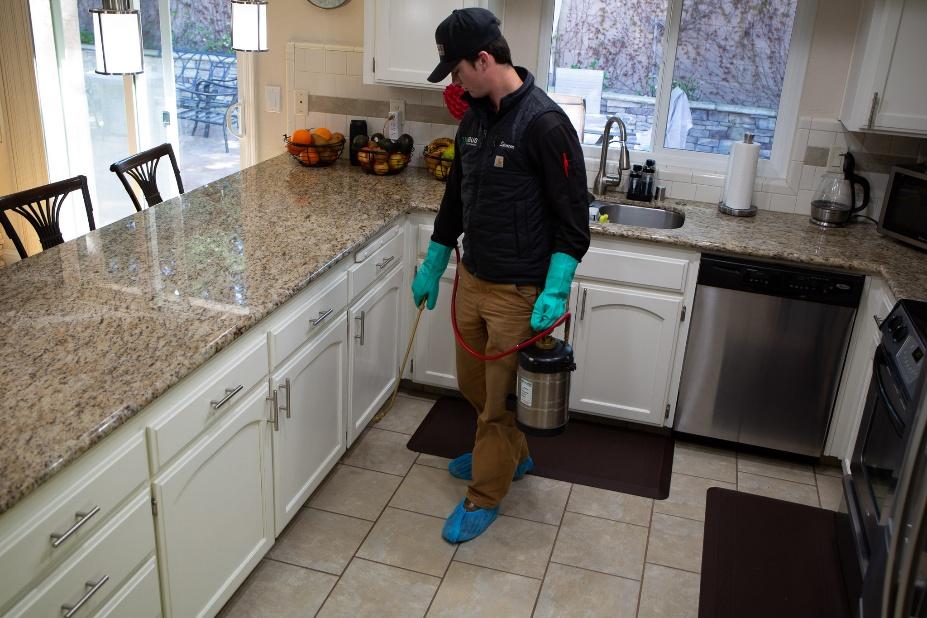
- Professional flea and tick control in Clovis can help address persistent infestations through targeted indoor and outdoor treatments.
Fleas and ticks can turn a comfortable home into an uncomfortable environment for both people and pets. Although these pests are often associated with animals and outdoor spaces, they can also establish themselves inside homes, making infestations difficult to manage. Effective flea and tick control in Clovis starts with understanding how these pests behave, where they hide, and how to address their breeding and entry points. Knowing the difference between fleas and ticks helps homeowners choose appropriate treatment methods and prevent recurring problems.
What Is the Difference Between Fleas and Ticks?
Fleas and ticks are both blood-feeding parasites, but they differ in appearance, behavior, and how they infest properties.
Fleas are small, wingless insects that move by jumping. They reproduce rapidly, and their eggs can fall from pets into carpets, furniture, bedding, and floor gaps. Their larvae develop in protected areas before emerging as adult fleas.
Ticks are arachnids related to spiders and mites. They do not jump or fly. Instead, they usually attach themselves to people or animals when they brush against vegetation where ticks are waiting. Some ticks can also enter homes on pets, clothing, or outdoor equipment.
| Feature | Fleas | Ticks |
|---|---|---|
| Classification | Insects | Arachnids |
| Movement | Jumping | Crawling |
| Common hosts | Dogs, cats, and other mammals | Mammals, birds, and other animals |
| Indoor hiding places | Carpets, rugs, upholstery, and pet bedding | Pet resting areas, cracks, and sheltered spaces |
| Reproduction | Lay eggs on hosts, which fall into the environment | Lay eggs in protected outdoor or sheltered locations |
| Main concern | Persistent biting and rapid reproduction | Bites and possible disease transmission |
Understanding these differences is important when arranging flea and tick treatment in Clovis because the two pests require different approaches.
Why Are Flea and Tick Infestations Common in Clovis Homes?
Clovis properties can provide favorable conditions for fleas and ticks, particularly where pets, landscaping, and wildlife create opportunities for pest activity.
Fleas can enter through untreated pets, visiting animals, and previously infested furniture. Once inside, carpets, rugs, and upholstered furniture provide suitable places for eggs and developing larvae.
Ticks are more commonly introduced from outdoor environments. Tall grass, leaf litter, shaded landscaping, and areas frequented by wildlife can increase the chances of encountering them.
Homeowners should pay particular attention to:
- Pet sleeping areas and frequently used furniture.
- Shaded sections of lawns and gardens.
- Spaces beneath decks, shrubs, and outdoor structures.
- Cracks along flooring and baseboards.
- Areas where pets regularly move between indoors and outdoors.
Regular property inspections and tick control in Clovis can help address outdoor conditions before pests become an indoor concern.
How Can I Get Rid of Fleas and Ticks From My Clovis Home?
Getting rid of fleas and ticks requires a coordinated approach that addresses pets, indoor environments, and outdoor spaces. Treating only one area may leave the infestation cycle undisturbed.
1. Identify Where the Pests Are Active
Start by checking pet bedding, carpets, upholstered furniture, and areas where animals spend time. Fleas may leave behind tiny dark specks known as flea dirt.
For ticks, inspect pets after outdoor activities, particularly around their ears, necks, legs, and between their toes. Check clothing and outdoor equipment before bringing them inside.
2. Clean Indoor Areas Thoroughly
Vacuum carpets, rugs, upholstered furniture, and floor edges regularly. Pay particular attention to spaces beneath furniture and around pet resting areas.
Wash pet bedding, blankets, and washable covers according to their care instructions. Dispose of vacuum contents promptly in a sealed bag.
These measures help remove flea eggs, larvae, and debris while reducing places where developing pests can survive.
3. Treat Pets With Appropriate Products
Speak with a veterinarian about suitable flea and tick prevention for each pet. Products should match the animal's species, age, weight, and health requirements.
Never use a dog-specific pesticide on a cat unless the label explicitly permits it. Some ingredients used in canine products can be highly toxic to cats.
4. Address Outdoor Conditions
Keep grass maintained, remove accumulated leaf litter, and trim vegetation around frequently used outdoor areas. Reduce unnecessary contact between pets and wildlife.
These steps support flea control in Clovis and reduce potential tick habitats around the property.
5. Arrange Professional Pest Treatment When Necessary
Established infestations can be difficult to eliminate through cleaning alone. Professional pest technicians can inspect affected areas, identify pest activity, and recommend suitable treatment strategies.
Professional flea extermination in Clovis may involve treating specific indoor and outdoor locations, depending on the infestation and property conditions.
Can Fleas and Ticks Become Established Inside a Home?
Yes. Fleas can establish indoor populations when suitable hosts and protected breeding areas are available. Their eggs and immature stages may remain in carpets, furniture, and pet bedding.
Ticks generally enter homes on pets, people, or belongings. However, certain species, particularly brown dog ticks, can establish indoor infestations and survive in cracks, kennels, and sheltered spaces.
The Centers for Disease Control and Prevention (CDC) explains that pets can bring ticks indoors and recommends checking them daily. Its guidance on preventing ticks on pets also highlights the importance of veterinarian-recommended prevention.
This distinction helps homeowners determine whether they need routine outdoor prevention or more comprehensive indoor tick control in Clovis.
DIY Treatment vs. Professional Pest Control: What Works Better?
Both approaches have a role in managing flea and tick activity. However, their effectiveness depends on the infestation's size, location, and persistence.
| Treatment approach | Best suited for | Important consideration |
|---|---|---|
| Regular vacuuming | Removing fleas and debris from indoor surfaces | Requires consistency |
| Washing pet bedding | Reducing flea eggs and immature stages | Follow fabric care instructions |
| Veterinary-approved prevention | Protecting pets from parasites | Choose species-appropriate products |
| Yard maintenance | Reducing favorable outdoor pest habitats | Requires ongoing attention |
| Professional pest treatment | Persistent or widespread infestations | Requires inspection and a targeted treatment plan |
For minor flea activity, cleaning and appropriate pet prevention may be sufficient. However, recurring infestations often require a more coordinated approach.
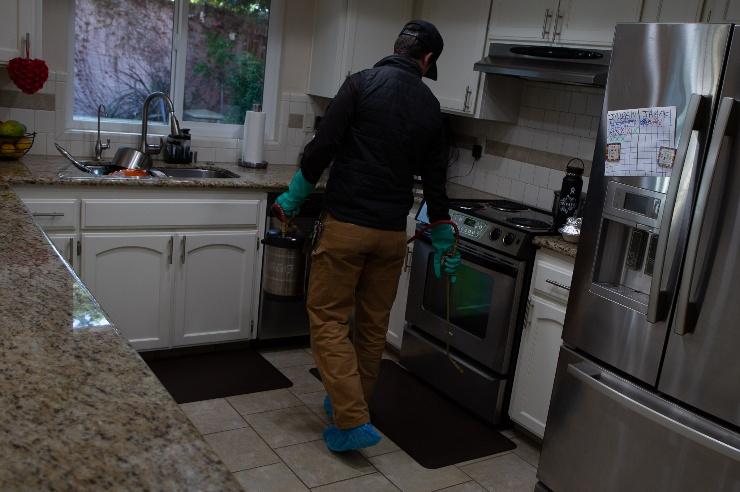
Professional flea and tick control in Clovis can help homeowners identify overlooked pest habitats and address areas that ordinary household cleaning cannot adequately manage.
How Can Homeowners Prevent Future Infestations?
Prevention is easier when pest management becomes part of regular household maintenance.
Consider these practical habits:
- Inspect pets after walks, outdoor play, and visits to areas with vegetation.
- Wash pet bedding regularly and vacuum frequently used indoor spaces.
- Keep lawns trimmed and remove accumulated leaves and garden debris.
- Avoid allowing pets to interact with stray or wild animals.
- Seal gaps around doors and other potential entry points.
- Follow a veterinarian-approved flea and tick prevention schedule.
Homeowners who have previously experienced infestations should pay particular attention to pet resting areas and shaded outdoor spaces. Consistent flea control in Clovis involves managing these conditions rather than waiting until visible pests return.
For additional household cleaning advice, read TruBug Pest Control's guide, How to Get Rid of Fleas in Your Home Effectively. It explains how vacuuming, pet care, and environmental treatment work together to reduce flea activity.
Conclusion
Flea and tick infestations require different treatment strategies, but both demand attention to pets, indoor spaces, and outdoor conditions. Identifying the pest correctly, maintaining clean surroundings, and following appropriate prevention practices can help reduce recurring problems.
When household measures are not enough, professional flea and tick control in Clovis can provide a more targeted solution. Homeowners dealing with persistent pest activity can contact TruBug Pest Control to discuss suitable treatment options for their property.
Dealing with recurring flea or tick problems? Contact TruBug Pest Control for targeted pest management solutions and help protect your Clovis home.
Frequently Asked Questions
Fleas are small, jumping insects that commonly leave flea dirt around pet bedding and carpets. Ticks are crawling arachnids that attach themselves to people or animals and may be found around pet resting areas.
Yes. Flea eggs and larvae can develop in carpets, rugs, and upholstered furniture. Ticks may hide in cracks and sheltered areas, particularly when certain species establish indoor infestations.
The timeline depends on the infestation's severity, treatment methods, and whether all life stages are addressed. Flea pupae can remain protected in their cocoons, so repeated monitoring and appropriate follow-up may be necessary.