

How-to
How to Get Rid of Fleas in Your Home Effectively
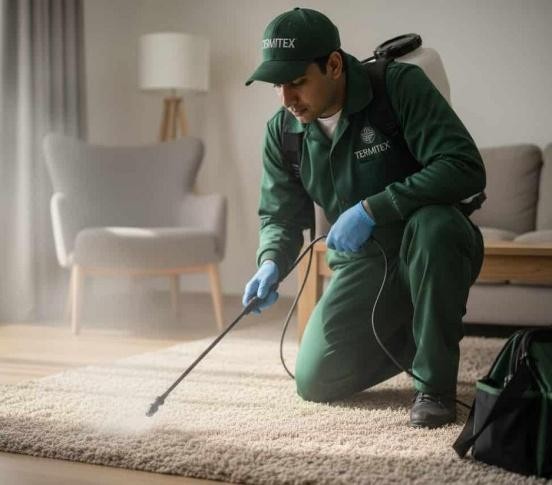
Seeing a flea on your carpet is usually not the whole problem. Fleas can hide in carpets, upholstery, pet bedding, cracks, and shaded outdoor areas, making a few visible adults only one part of an infestation. Effective flea control in Central Valley requires more than spraying the insects you can see. You need to address the flea life cycle, clean affected areas, manage pets appropriately, and determine whether the yard is contributing to the problem.
Why Are Fleas So Difficult to Eliminate?
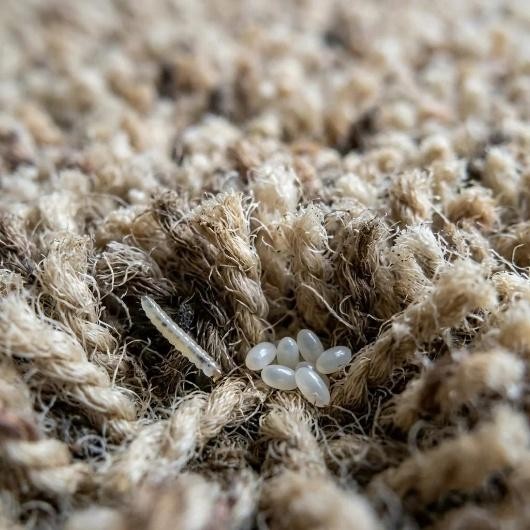
Fleas develop through four stages: egg, larva, pupa, and adult. Adult fleas live primarily on animals, while immature stages can develop in the surrounding environment.
That distinction matters because killing visible adult fleas does not necessarily eliminate eggs, larvae, or pupae. Some stages can remain protected in carpets, beneath furniture, and around pet resting areas.
Common signs include:
- Fleas jumping onto socks or clothing
- Small bites around the ankles
- Excessive scratching or licking in pets
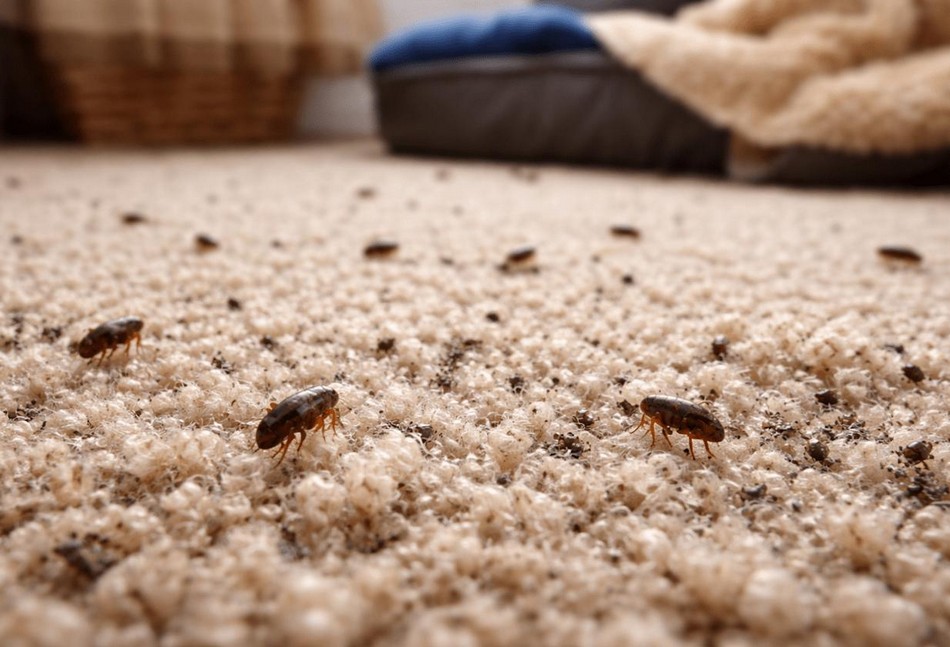
- Dark specks resembling ground pepper, often called flea dirt
- Fleas appearing repeatedly after cleaning
If you keep treating the same areas but fleas continue appearing, the underlying life cycle has probably not been interrupted.
What Steps Help With Flea Control in the Central Valley?
A practical home response should combine environmental cleaning with appropriate pet care and, when necessary, professional treatment.
1. Vacuum Thoroughly and Consistently
Start with carpets, rugs, upholstery, baseboards, furniture crevices, and areas beneath furniture. Pay particular attention to places where pets sleep or spend substantial time.
Vacuuming can remove flea eggs, larvae, and adults while also encouraging some emerging fleas to leave their cocoons. The U.S. Environmental Protection Agency recommends daily vacuuming during an infestation as an important initial control measure.
Empty the vacuum promptly and follow the manufacturer's instructions for disposing of collected material.
2. Wash Pet Bedding and Household Fabrics
Wash pet bedding and other washable fabrics where pets regularly rest. Use the hottest water and drying method permitted by the item's care instructions.
Do not focus only on the pet's bed. Blankets, removable furniture covers, rugs, and other frequently used resting areas may also deserve attention.
3. Treat Pets Through Veterinary Guidance
Home treatment cannot substitute for treating an infested pet. Speak with your veterinarian about a flea preventive appropriate for each animal's species, age, weight, and circumstances.
Treating only one pet can allow the infestation cycle to continue through another untreated animal.
4. Inspect the Yard
Outdoor flea development is more likely in protected areas where pets rest, particularly shaded locations. Check beneath decks, around bushes, near pet shelters, and in other sheltered spots.
Reducing leaf litter and keeping frequently used outdoor areas maintained can help make the environment less favorable for flea development.
How Does Professional Flea and Tick Control Work in the Central Valley?
Professional flea and tick control in Central Valley typically focuses on the places where fleas are most likely to live and develop rather than simply treating visible insects.
A technician may inspect pet resting areas, carpet and upholstery edges, baseboards, and relevant outdoor areas. Treatment can then be targeted to those locations, with products selected for the specific pest and environment.
For example, TruBug Pest Control's flea and tick program addresses both interior and yard areas. Its service information describes treatment around pet resting areas, carpet and upholstery edges, shaded beds, side yards, and fence lines, along with an insect growth regulator and a follow-up visit.
This approach matters because immature fleas can remain in the environment even after adult fleas are reduced. A follow-up and continued vacuuming plan can therefore be important rather than assuming one application solves every stage immediately.
DIY vs. Professional Flea Treatment: Which Makes Sense?
| Approach | Best suited for | Main consideration |
|---|---|---|
| Vacuuming and laundering | Early or limited activity | Requires consistency |
| Pet preventive treatment | Fleas living on pets | Veterinary guidance may be needed |
| DIY environmental products | Certain contained infestations | Must follow label directions carefully |
| Professional treatment | Persistent or widespread infestations | Targets environmental areas and flea life stages |
The right choice depends on the severity and persistence of the infestation. If repeated cleaning and appropriate pet treatment do not stop the problem, flea extermination in Central Valley can provide a more systematic environmental approach.
For additional perspective on when DIY methods make sense and when professional intervention becomes worthwhile, see DIY Pest Control vs. Professional Treatment: The Honest Breakdown.
How Long Does Flea Treatment Take to Work?
Flea control is rarely an instant process because different life stages respond differently to treatment. Fleas may continue emerging for a period after treatment because pupae can survive an initial application. Continued vacuuming is therefore an important part of the process.
A sensible rule is to follow the technician's preparation and re-entry instructions, continue recommended cleaning, and avoid repeatedly applying pesticides simply because you see a few fleas shortly after treatment.
For persistent infestations, flea and tick control in Central Valley may involve an initial treatment followed by a scheduled follow-up. The goal is to reduce the population while addressing the conditions that allow it to rebuild.
When Should You Consider Professional Help?
Consider professional flea extermination in Central Valley when fleas continue appearing despite consistent vacuuming, laundering, and appropriate pet treatment; when multiple areas of the home are affected; or when the source appears to involve both indoor and outdoor spaces.
Professional treatment is particularly useful when you are unsure where fleas are developing. Instead of repeatedly treating the area where you happen to see an adult flea, a technician can evaluate likely harborage areas and develop a targeted plan.
Conclusion
Getting rid of fleas effectively requires patience and a whole-home approach. Clean the environment, work with your veterinarian on pet prevention, inspect outdoor areas, and address persistent infestations systematically. For homeowners who need structured treatment, TruBug Pest Control provides targeted pest management across the Central Valley.
Ready to address a persistent flea problem? Contact TruBug Pest Control for a home assessment and a treatment plan tailored to your property.
Key Takeaways
- Fleas can survive in multiple life stages, so killing visible adults alone may not solve an infestation.
- Vacuum carpets, upholstery, cracks, and pet resting areas consistently, and wash appropriate bedding.
- Work with your veterinarian to choose flea prevention suitable for every pet in the household.
- Persistent infestations may require coordinated indoor, outdoor, and follow-up treatment.
Frequently Asked Question
Can fleas live on carpet?
Yes. Flea eggs and larvae can develop in protected areas of carpet, particularly where pets regularly rest. Frequent vacuuming helps remove immature stages and emerging adults.
How do I know if my house has fleas?
Common signs include visible fleas, itchy bites around the ankles, excessive pet scratching, and flea dirt that appears as small dark specks.
Should I treat my pet and home at the same time?
Yes. Treating the environment while leaving an infested pet untreated can allow the flea life cycle to continue. Consult your veterinarian for an appropriate pet treatment.
Do fleas go away after one professional treatment?
Not necessarily. Fleas have multiple life stages, and protected pupae may survive an initial application. Follow-up treatment and continued vacuuming may be necessary.