

Comparisons
DIY Pest Control vs. Professional Treatment: The Honest Breakdown
Key Takeaways
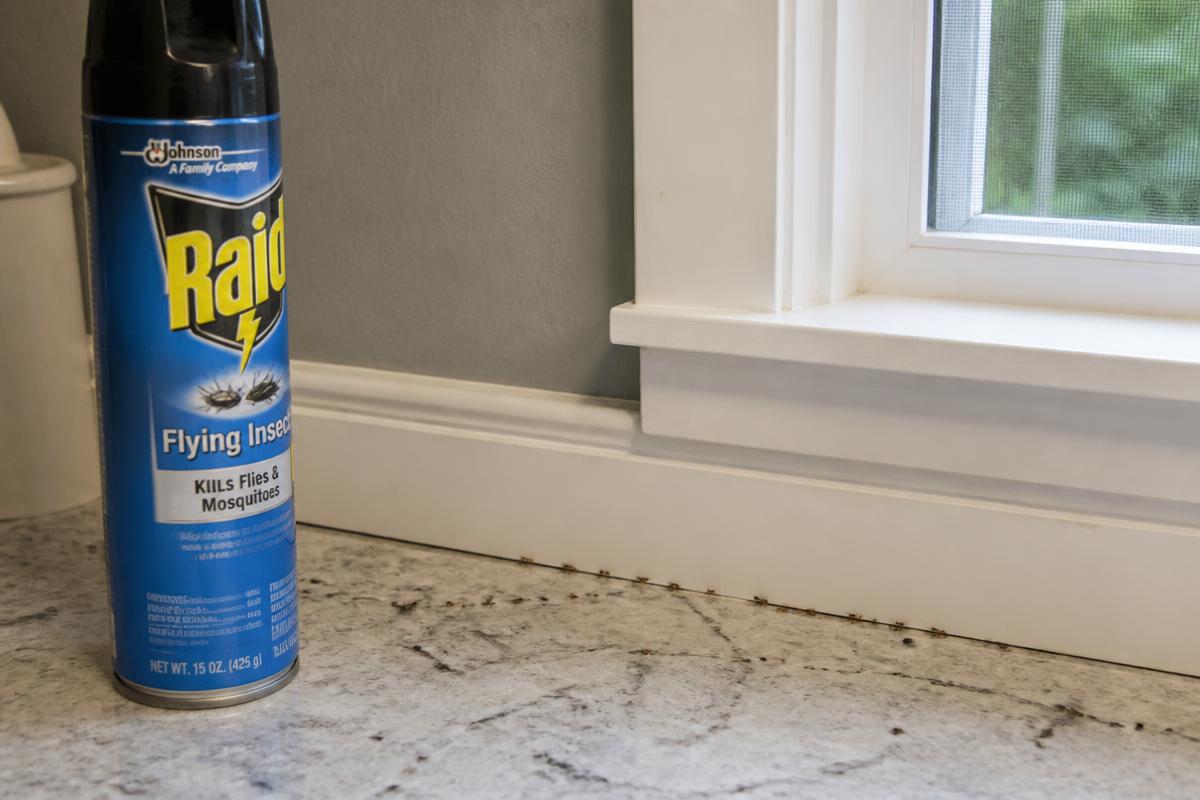
- DIY sprays work great on the bug you can see a single wasp nest, pantry moths, fruit flies but they don't touch hidden colonies or entry points.
- Over-the-counter sprays are mostly repellents. On Argentine ants and German roaches, that can scatter the colony and make the problem worse, not better.
- Rodents fail differently: traps catch what's already inside, but they do nothing about the gap in the roofline letting new ones in.
- What you pay a professional for isn't the chemical it's product selection, placement, scheduling, and exclusion work.
Why This Comparison Actually Matters
We're not going to pretend every pest problem needs a professional. Plenty don't. But there's a real line between the jobs a homeowner can wrap up in a weekend and the jobs that quietly get worse with DIY and knowing which is which saves real money. Many Central Valley homeowners eventually land on routine pest control in central valley once they've been burned by a repeat infestation, simply because a scheduled visit catches problems before they become a pattern rather than after.
It helps to know the industry-wide numbers behind this decision, too. Recent National Pest Management Association industry data shows just how common and how stubborn household pests really are. Ants alone affect an estimated 47 million U.S. households a year, and cockroaches have been found in 44% of homes surveyed. Meanwhile, a separate report on pest control trends found that 54% of homeowners still try to handle pest problems themselves, mostly because they assume DIY is automatically cheaper. Sometimes it is. Often, for the pests below, it isn't.
What DIY Actually Does Well
Contact killing is DIY's strong suit. See a spider on the wall, spray it, it's dead no argument there, and there's nothing wrong with keeping a can under the sink for exactly that. DIY also holds up for a handful of specific, contained situations:
- A single wasp nest under a low eave, treated at night when the colony is calm
- Pantry moths, once you throw out the infested food and clean the shelves thoroughly
- Fruit flies, which usually disappear once you find the source drain or forgotten produce
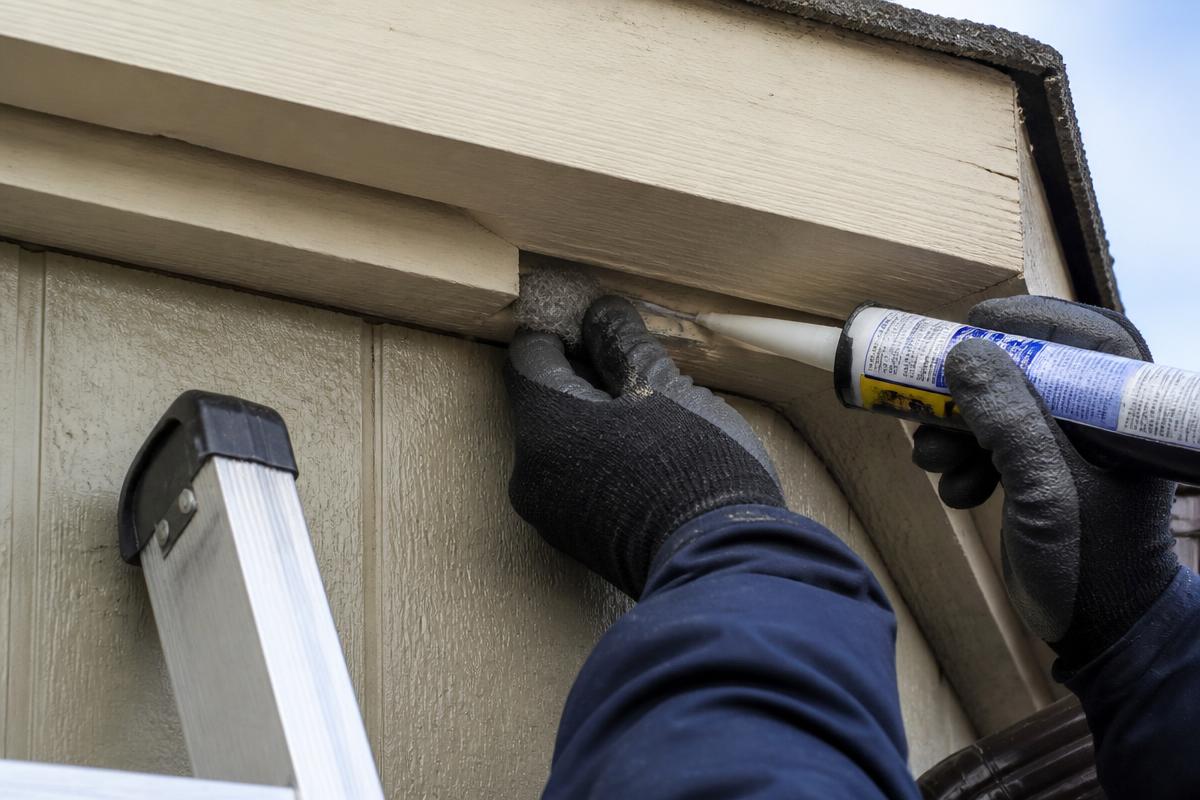
- Sealing an obvious gap yourself with steel wool and caulk
Where DIY Quietly Falls Apart
The problem with most store-bought sprays is that they're repellents they push insects away from the treated surface instead of getting carried back to the nest where it counts. With Argentine ants, that's genuinely counterproductive. Spray one trail and the colony fragments. Instead of one trail, you now have three or four, entering from new spots entirely. This is one of the most common callbacks pest professionals see every spring.
German cockroaches are the other big failure point. Bombs and foggers scatter them into wall voids and under appliances exactly where they were already headed. A real cleanout requires a bait and growth-regulator program applied directly to harborage points, done in stages, or the population simply rebuilds within about six weeks.
Rodents fail differently. Snap traps catch the rats already inside the house, but they do nothing about the entry point often a gap at the roofline that keeps letting new ones in behind the ones you caught.
DIY vs. Professional: Pest-by-Pest Breakdown
| Pest | DIY Success Rate | Why It Fails (or Works) |
|---|---|---|
| Single wasp nest | High | Contact spray at night is usually sufficient |
| Pantry moths / fruit flies | High | Source removal solves the root cause |
| Argentine ants | Low | Repellent sprays fragment the colony instead of eliminating it |
| German cockroaches | Low | Foggersscatter roaches deeper into wall voids |
| Rodents (rats/mice) | Low–Moderate | Traps catch existing pests but ignore entry points |
| Minor entry gaps | High | Steel wool and caulk are effective DIY fixes |
Not every pest belongs on a pro's schedule — but the recurring ones almost always do.
What You're Actually Paying a Professional For
It's not the chemical. The chemical is the cheap part. What a technician actually brings is:
- Product selection non-repellent actives, growth regulators, and baits that aren't sold at hardware stores
- Placement knowing roof rats travel utility lines and roaches nest inside dishwasher motor housings
- Repetition on a schedule, so treatment lands before the population peaks instead of after
- Exclusion work, which is closer to carpentry than pest control
- A callback guarantee if the first treatment doesn't hold
The Honest Math
A season of store products for a real ant problem often runs sixty to a hundred dollars and frequently doesn't stick. Recurring residential service typically starts modestly for the initial visit and drops well below that per visit afterward, with unlimited callbacks in between. If you have one bug, buy a can. If you have a pattern that keeps coming back in the same spot, the pattern is the problem, not the bug and that's a different kind of fix entirely.
Household Pests by the Numbers
| Metric | Data Point |
|---|---|
| U.S. households affected by ants annually | ≈ 47 million |
| U.S. homes with a cockroach infestation (surveyed) | 44% |
| Homes with rodent presence | 36% |
| Homeowners who attempt pest control themselves | 54% |
| Homeowners who use a professional service | 22% |
| Projected U.S. pest control industry growth (annual) | 5–6% |
The gap between the 54% who go it alone and the number who eventually call a professional anyway is exactly where recurring problems like Argentine ants and German roaches tend to live.
When to Call It
If a spray from under the sink handles the problem, there's no reason to pay for a visit. But once the same ant trail, the same roach sighting, or the same scratching in the attic keeps returning, TruBug Pest Control builds a treatment plan around the actual entry points and harborage areas, not just the bug you happened to see. A dedicated technician handles the repetition and exclusion work that DIY can't, with callbacks built in between visits if anything comes back early.
Frequently Asked Question
Why do ants come back after I spray them myself?
Most store sprays are repellents, not eliminators. They push ants away from the treated surface instead of letting them carry the product back to the colony. With species like Argentine ants, this can fragment one trail into three or four new ones entering from different spots.
Is DIY pest control effective for cockroaches?
It depends on the species. Outdoor roaches often respond fine to DIY treatment. German cockroaches usually don't foggers and bombs scatter them into wall voids and under appliances, and the population typically rebuilds within about six weeks without a targeted bait program.
How much does professional pest control cost compared to DIY?
A season of DIY products for a persistent ant problem commonly runs sixty to a hundred dollars and often needs repeating. Recurring professional service tends to have a modest initial visit cost followed by lower per-visit pricing, plus unlimited callbacks between scheduled treatments — which usually evens out the math for recurring problems.
When should I stop trying DIY and call a professional?
If the same pest keeps returning to the same spot after a couple of DIY attempts, that's the signal. A recurring pattern usually points to an entry point, nesting site, or colony that a surface spray can't reach which is a professional exclusion and treatment job, not a bigger can of spray.