

Pest education
Common Rodent Problems Found in Central Valley Homes
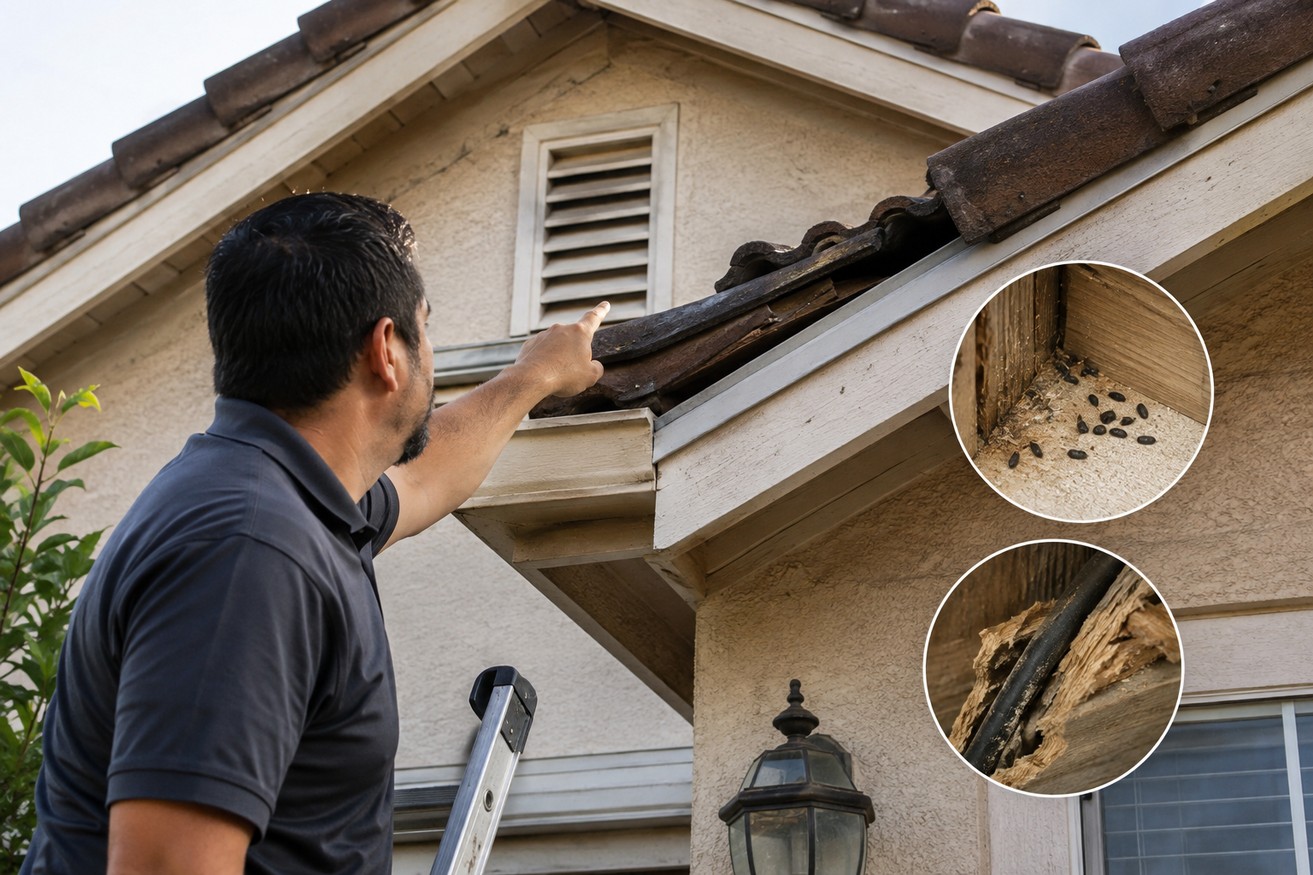
Have you heard scratching in the attic, discovered droppings in the garage, or noticed chewed food packaging? These can be early signs that rodents have entered your home. Effective rodent control in Central valley properties is not simply about catching a rat or mouse. It involves identifying how rodents entered, addressing active activity, and reducing the conditions that encourage them to return.
Central Valley homes can provide rodents with food, shelter, and protected spaces such as attics, garages, wall voids, and crawl spaces. Understanding the warning signs can help homeowners act before a small issue develops into a larger infestation.
What Are the Most Common Signs of Rodents?
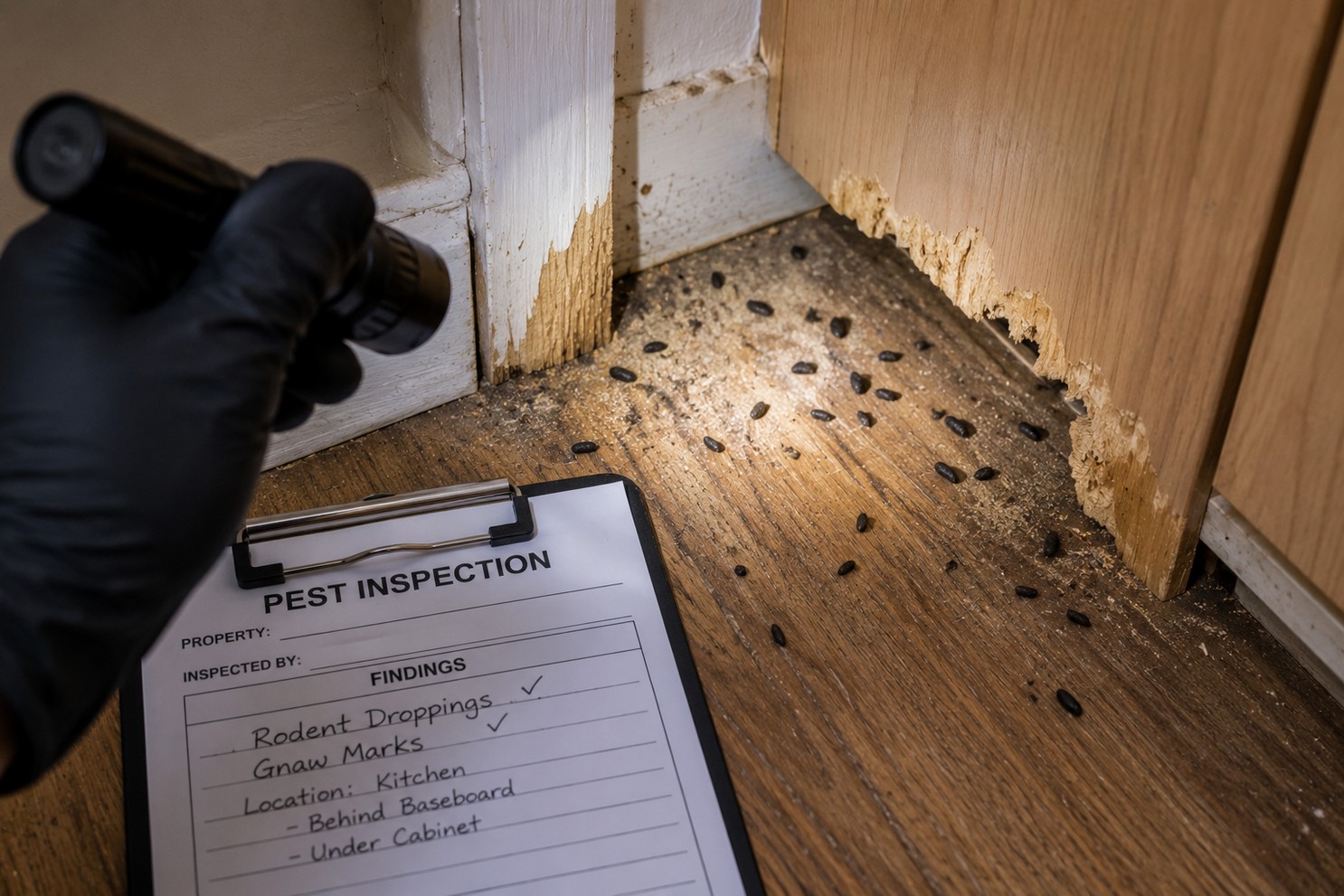
Rodent activity often leaves physical evidence before homeowners see an actual animal.
Look for:
- Droppings inside cabinets, garages, attics, or along walls
- Scratching or movement sounds, particularly at night
- Gnaw marks on food packaging, wood, insulation, or wiring
- Shredded paper, fabric, or insulation used for nesting
- Unusual odors coming from concealed areas
- Grease or rub marks along frequently traveled routes
The location of these signs can also provide useful clues. For example, repeated scratching above a ceiling may indicate attic activity, while droppings behind appliances may suggest rodents are traveling through the kitchen.
How Does Professional Rodent Control Work in Central Valley?
Professional rodent control combines inspection, exclusion, removal, sanitation, and prevention rather than relying on a single treatment.
1. Inspection and Identification
A professional inspection identifies signs of rodent activity, entry points, and travel routes. Technicians check rooflines, vents, soffits, utility openings, garages, foundations, crawl spaces, and attics while determining whether rats or mice are present, as their behavior and control needs can differ.
2. Excluding Rodents From the Property
Once entry points are identified, technicians seal gaps around screens, pipes, cables, roof structures, garage doors, and other openings. The CDC rodent control guidance recommends sealing holes and gaps to help prevent rodents from entering.
3. Targeted Rodent Removal
After inspection, technicians choose removal methods based on the rodent species, location, and activity level. Rodent removal in Central valley properties may include strategically placed traps or secured baiting systems, while professional identification helps ensure effective rat control in Central valley.
Rat Control vs. Mouse Control: What Is the Difference?
| Consideration | Rats | Mice |
|---|---|---|
| Common evidence | Larger droppings, gnaw marks, scratching | Smaller droppings, food damage, nesting |
| Typical locations | Attics, crawl spaces, garages, roof areas | Kitchens, cabinets, walls, garages |
| Entry concerns | Roofline gaps, vents, utility openings | Small cracks, gaps, and penetrations |
| Control focus | Exclusion, strategic trapping, prevention | Exclusion, trapping, sanitation, prevention |
| Key prevention measure | Eliminate access and attractants | Seal small openings and reduce food access |
Regardless of species, simply removing an animal without correcting the access point can leave the property vulnerable to recurring activity.
Why Are Attics a Common Rodent Problem?
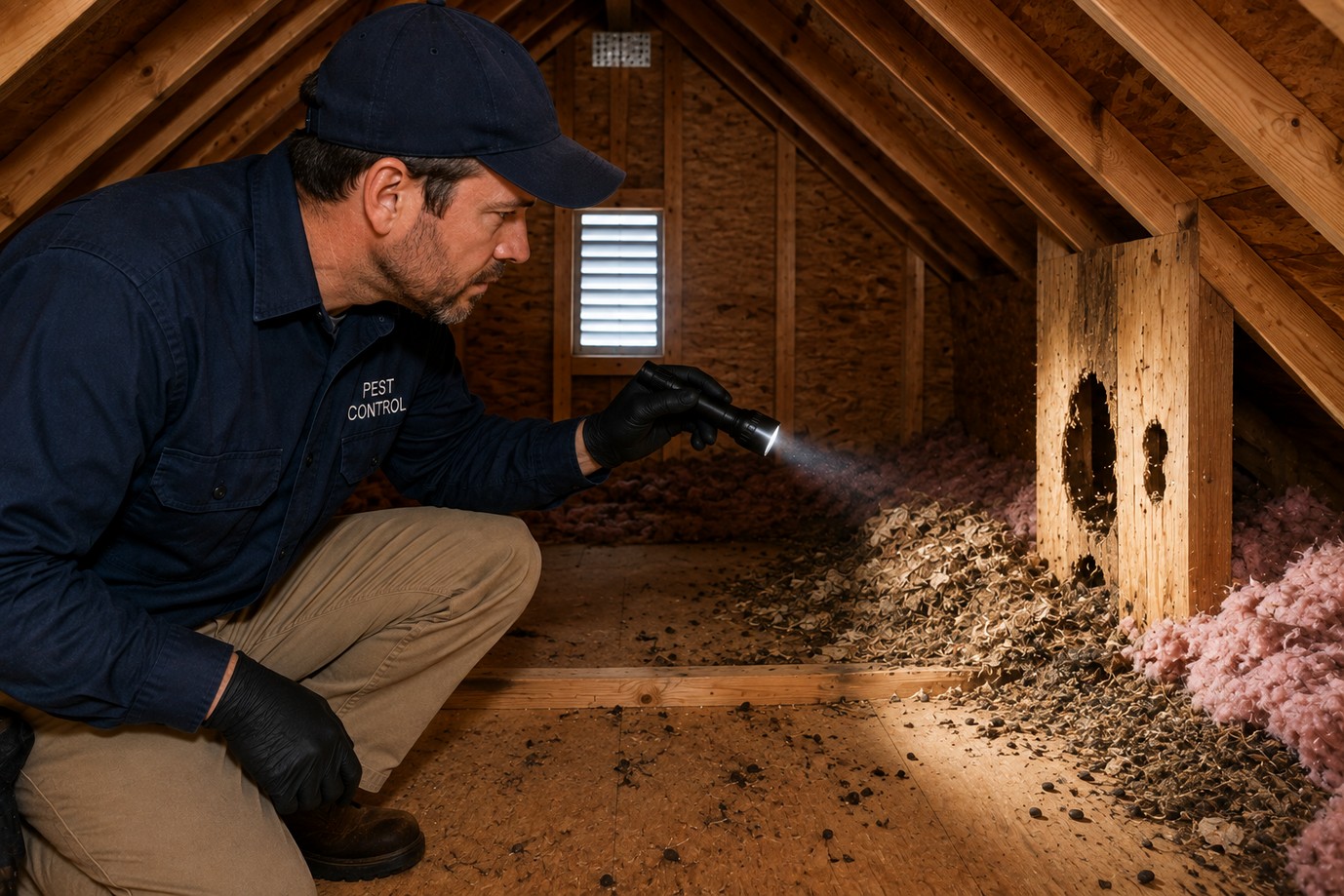
Attics can provide rodents with shelter, nesting materials, and limited human disturbance. Roof rats, in particular, may take advantage of roofline gaps, vents, damaged screens, and openings around utility penetrations. If attic scratching or other evidence continues, homeowners should investigate the access route rather than assuming the problem will disappear on its own. For additional information about attic infestations, read our guide, Roof rats in the attic: what actually works.
When Is Professional Rodent Extermination Necessary?
DIY traps can sometimes address a limited problem, but persistent activity deserves closer attention. Professional rodent extermination in Central valley may be appropriate when:
- New droppings continue appearing
- Scratching persists in walls or ceilings
- Rodents are entering inaccessible areas
- Multiple nesting areas are present
- Wiring or insulation shows damage
- The entry point cannot be located
- Rodent activity returns after previous treatment
Professional control should also consider sanitation. Rodent droppings and nesting material should be handled carefully. The CDC recommends wetting contaminated areas with an appropriate disinfectant before cleanup rather than sweeping or vacuuming dry droppings. CDC cleanup guidance.
How can Homeowners Reduce Future Rodent Problems
Long-term prevention starts with making the property less accessible and less attractive to rodents. Homeowners can:
- Store food in tightly sealed containers
- Keep garbage containers securely covered
- Remove unnecessary outdoor clutter
- Repair damaged screens and vents
- Seal openings around pipes and utility lines
- Address leaks and accessible water sources
- Keep vegetation and debris from creating easy access to structures
Professional rodent control in Central valley homes works best when active control and preventive measures are addressed together.
Conclusion
If you're dealing with rats, mice, attic activity, or repeated entry, TruBug Pest Control offers professional inspection, removal, and prevention - protect your home from rodents by exploring professional rodent control services today.
Key Takeaways
- Professional rodent control in Central valley homes involves inspection, exclusion, targeted removal, sanitation, and prevention.
- Rats and mice can enter through gaps around roofs, vents, utility lines, doors, foundations, and other openings.
- Effective rodent removal in Central valley properties requires addressing both active rodents and the conditions that allowed them inside.
- Persistent scratching, droppings, nesting materials, or property damage can indicate the need for professional assistance.
FAQs
Frequently Asked Questions
It includes inspection, identifying entry points, removing rodents, sealing access points, and recommending prevention measures.
Droppings, gnaw marks, nesting materials, and scratching sounds can indicate rodent activity. A professional can identify the species accurately.
Sealing entry points prevents rodents from returning and is essential for effective rat control in Central valley.
Hire a professional when rodent activity persists, rodents enter inaccessible areas, property damage occurs, or you cannot find their entry point.
No. Rodent extermination in the Central valley can include inspection, exclusion, removal, sanitation, and preventive measures.