

Pest education
Roof Rats in Attics: What Actually Works (and What Doesn't)
Key Takeaways
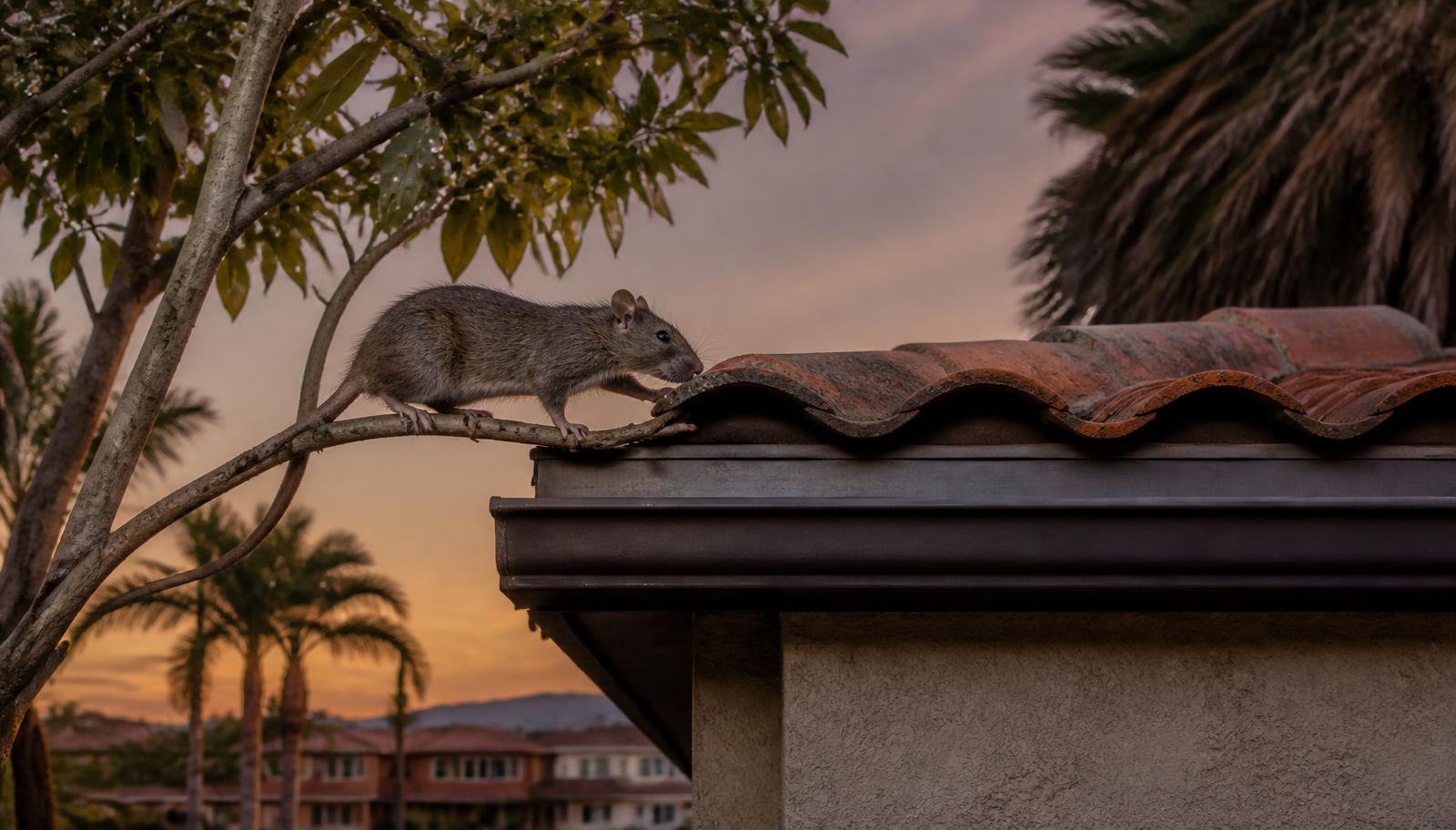
- Roof rats are excellent climbers and typically enter homes through the roofline, not the ground floor, which changes where you should actually be looking for entry points.
- Trapping alone rarely solves an infestation without sealing entry points first, new rats simply replace the ones you catch.
- Ultrasonic repellers and mothballs are among the most popular "solutions" online, and also among the least effective.
- A thorough attic inspection almost always reveals more entry points than homeowners expect, often three or four gaps rather than just one.
- Roof rat activity tends to spike in fall as outdoor food and water sources dry up, pushing them toward homes.
Why Roof Rats Target Attics in the First Place
Attics offer roof rats almost everything they need: warmth, shelter, insulation to nest in, and easy access from tree branches, power lines, or roof edges. Unlike Norway rats, which tend to burrow and stay near ground level, roof rats are agile climbers built for exactly this kind of environment. That's part of why routine pest control central valley homeowners rely on usually includes a seasonal exterior check — catching small entry points before they turn into an active attic infestation is far easier than dealing with one after the fact. Once a colony establishes itself in an attic, it tends to grow quickly, since roof rats can reproduce multiple times a year under the right conditions.
Signs You Actually Have Roof Rats, Not Mice
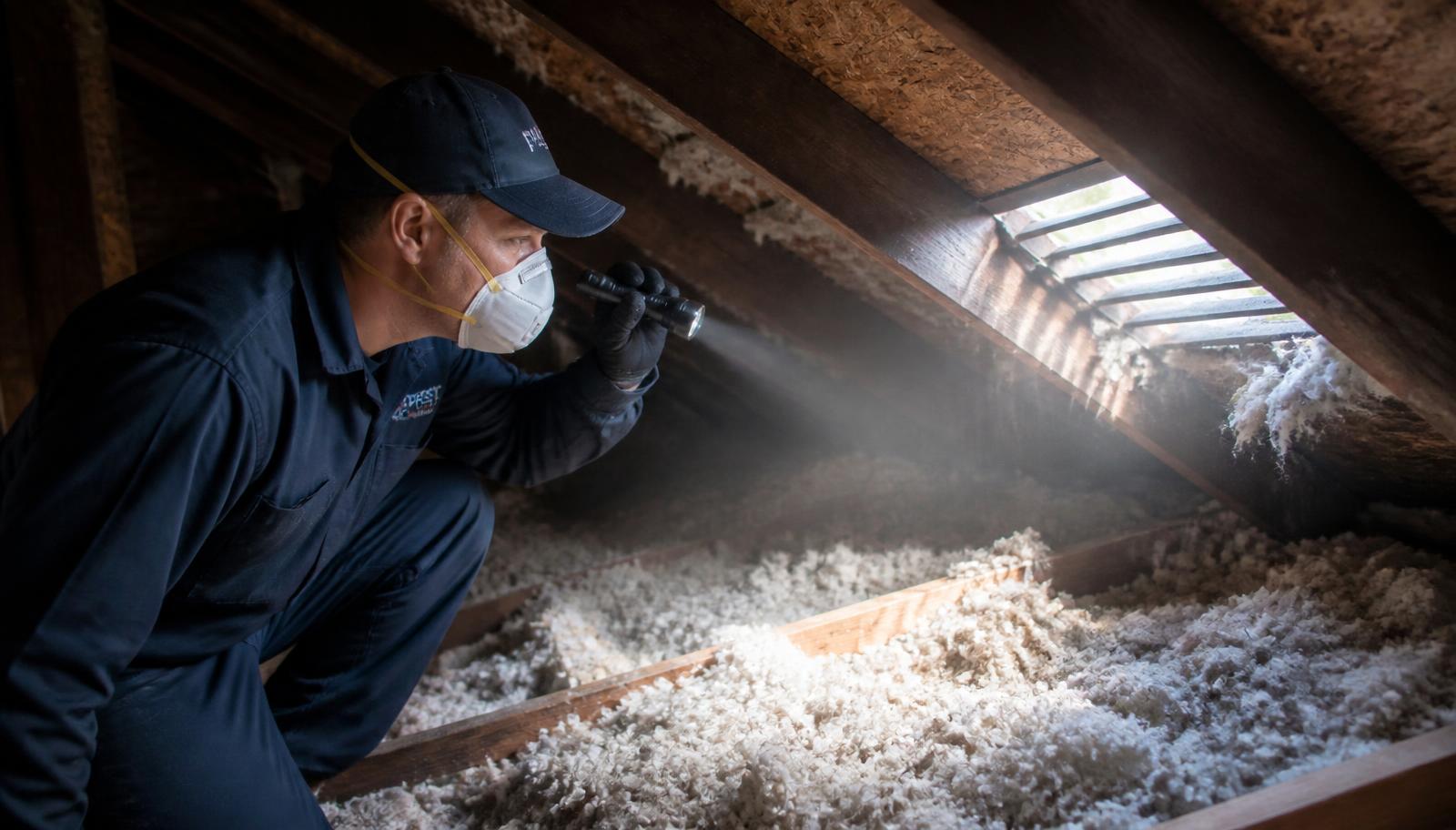
Homeowners often assume attic noises mean mice, but roof rats leave a distinctly different pattern of evidence:
| Sign | Roof Rat | House Mouse |
|---|---|---|
| Droppings | About 1/2 inch, spindle-shaped | About 1/8 inch, small and rod-shaped |
| Noise pattern | Heavier scurrying, often at night | Lighter scratching, more constant |
| Typical entry point | Roofline, eaves, tree branches | Ground-level gaps and foundation cracks |
| Nesting location | High up attics, wall voids near the roof | Lower areas — near food sources, floor level |
What Doesn't Work (Despite Being Popular Advice)
A lot of well-meaning advice circulating online simply doesn't hold up. Ultrasonic pest repellers, dryer sheets, and mothballs are frequently recommended but have little reliable evidence behind them for deterring an established rodent population. Peppermint oil may mask odors briefly, but it won't keep a determined rat out of a warm attic in cold weather. The roof rat, also known as the black rat, is a highly adaptable species that has coexisted alongside humans for centuries which is exactly why home remedies rarely outlast a rat's motivation to stay somewhere warm and food-adjacent.
What Actually Works: Exclusion First
| Common Entry Point | Recommended Fix |
|---|---|
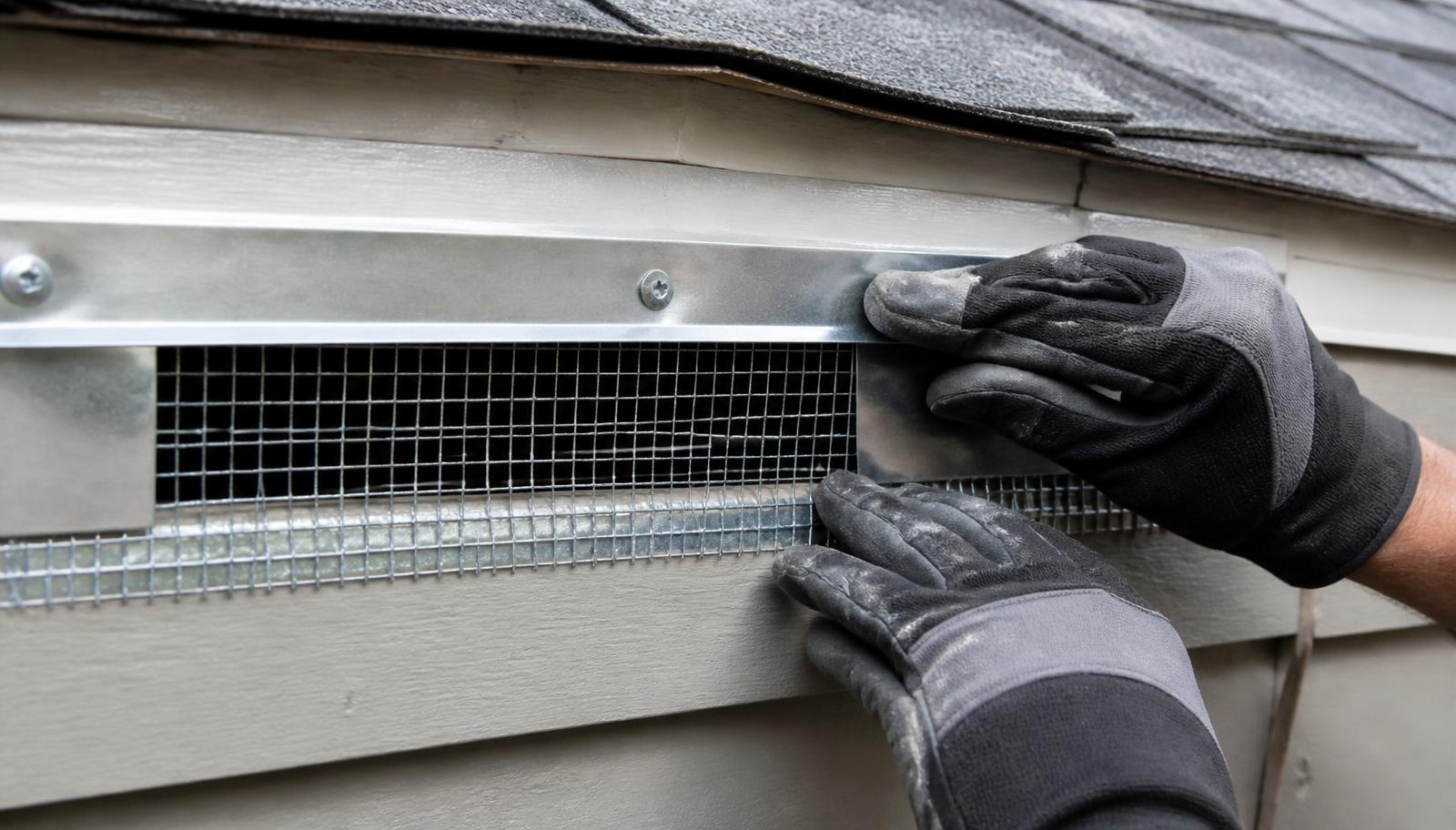
| Roofline gaps and vents | Seal with rodent-proof mesh, not just caulk |
| Overhanging tree branches | Trim back at least a few feet from the roofline |
| Gaps around utility lines | Fill with steel wool and expanding sealant |
| Damaged soffits or fascia boards | Repair and reinforce with metal flashing |
| Chimney openings | Install a certified chimney cap |
Exclusion is consistently the most effective long-term step, because it addresses the reason rats keep coming back rather than just removing the ones already inside.
Trapping Done Right
| Trap Type | Best Used For |
|---|---|
| Snap traps | Fast, targeted removal once entry points are sealed |
| Multi-catch traps | Monitoring activity in larger attic spaces |
| Glue boards | Generally discouraged less humane and less effective on rats |
| Bait stations | Best used by professionals due to placement and safety requirements |
Trap placement matters as much as trap type traps set along walls, near droppings, or along established travel paths perform far better than ones placed in open, exposed areas.
Preventing Reinfestation
Once an attic is clear, the work isn't quite done. Ongoing prevention matters, since rodents can pose real health risks when populations go unmanaged point the CDC's guidance on rodents covers in more detail. Keeping attic insulation intact, trimming vegetation back regularly, storing pet food in sealed containers, and doing a seasonal check of the roofline all go a long way toward keeping a cleared attic clear.
The Bottom Line
Roof rats in an attic are a solvable problem, but only when exclusion comes before or alongside trapping. Skipping straight to traps or relying on gadgets sold as quick fixes tends to produce short-term results at best, with new rats moving in as soon as the old ones are gone.
For a proper inspection and a plan that actually addresses entry points, TruBug Pest Control is built around solving the root cause, not just the symptoms in the attic.
Frequently Asked Question
How do you get rid of roof rats in the attic?
The most effective approach combines sealing all entry points around the roofline with targeted trapping inside the attic. Trapping alone without exclusion usually leads to repeat infestations.
What's the difference between a roof rat and a regular mouse?
Roof rats are significantly larger, leave bigger spindle-shaped droppings, and nest high up near rooflines, while house mice are smaller and tend to stay closer to ground level and food sources.
Do ultrasonic pest repellers actually work on rats?
There's little reliable evidence that ultrasonic devices deter an established rodent population. Sealing entry points and trapping remain far more effective long-term solutions.
How do roof rats get into a house in the first place?
They typically enter through the roofline gaps in vents, damaged soffits, chimney openings, or by climbing overhanging tree branches onto the roof, rather than through ground-level entry points.