

Pest education
How Often to Schedule Pest Control Services in Central Valley

Key Takeaways
- Pest control frequency depends on pest type, property conditions, previous infestations, and seasonal activity.
- Recurring service can help monitor pest pressure and address problems before they become persistent indoor issues.
- Effective pest management combines professional treatment with sanitation, moisture control, landscaping maintenance, and exclusion.
- Homeowners should reassess their service schedule when pest activity changes or continues between visits.
"How Often Should You Schedule Pest Control Services?" is a common question for homeowners who want to prevent recurring ants, spiders, rodents, roaches, and other pests. The right answer depends on the pest, property, season, previous activity, and treatment approach. Rather than relying on a fixed calendar alone, homeowners should look at pest pressure and prevention needs. For many properties, a recurring schedule of pest control services in Central Valley can provide more consistent protection than waiting until pests become an indoor problem.
For general residential pest prevention, recurring service is often scheduled quarterly, every two months, or monthly depending on pest pressure and the home's specific conditions. A professional should determine the appropriate interval rather than applying the same schedule to every property.
Why Recurring Pest Control Can Make Sense
A single treatment may address an immediate pest problem, but it does not automatically eliminate the conditions that allowed pests to enter in the first place.
For example, an ant trail appearing in the kitchen may be connected to an outdoor nesting area or an unnoticed entry point. Similarly, spiders around exterior lights may be attracted by the insects gathering near those lights.
This is why effective residential pest control services in the Central Valley should consider the entire property rather than only the location where a homeowner happens to see a pest.
The U.S. Environmental Protection Agency's Integrated Pest Management approach emphasizes identification, monitoring, prevention, and appropriately targeted control instead of automatically relying on pesticide applications.
What Schedule Is Right for Your Home?
| Situation | Typical Approach | Main Consideration |
|---|---|---|
| No history of recurring pests | Periodic inspection or preventive service | Property conditions |
| Occasional ants or spiders | Quarterly or other recurring service | Entry points and outdoor activity |
| Frequent pest activity | More frequent monitoring and treatment | Pest pressure and source |
| Active infestation | Pest-specific treatment plan | Species and severity |
| Rodent concerns | Inspection, exclusion, trapping or monitoring | Entry points and ongoing access |
| Mosquito concerns | Seasonal or targeted treatment | Breeding and resting areas |
These intervals are not universal prescriptions. A qualified technician should adjust the plan according to what is actually happening around the property.
How Can Professional Pest Management Services Help Protect a Home in Central Valley?
Professional pest management can help protect a home by identifying pest activity, locating likely entry points, addressing conditions that attract pests, and establishing a treatment and monitoring plan suited to the property.
That matters in the Central Valley because homeowners may encounter ants, spiders, rodents, cockroaches, mosquitoes, wasps, earwigs, fleas, and other pests. Different pests require different responses.
Professional home pest control services in Central Valley can provide several advantages:
1. Identifying the Actual Pest Problem
Correct identification comes before choosing a treatment. A visible insect may not represent the entire problem, and treating the wrong pest can waste time and money.
2. Finding Entry Points and Pest Hotspots
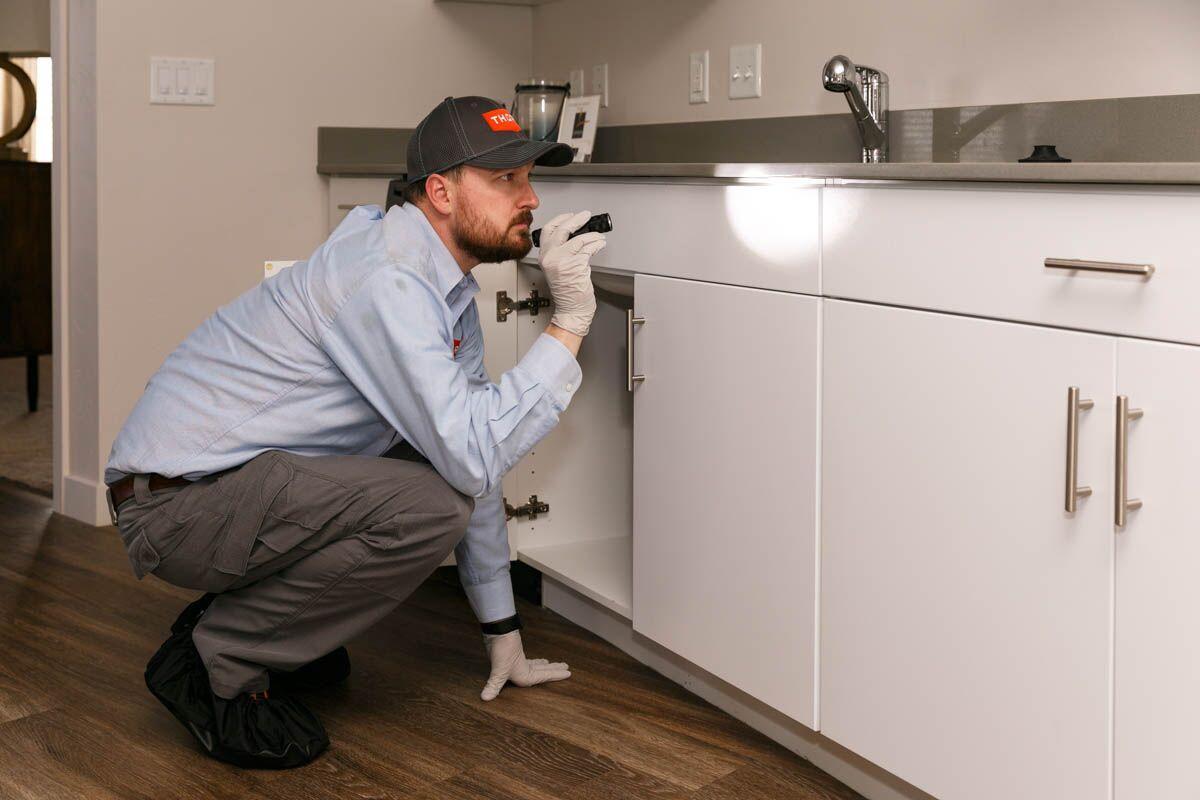
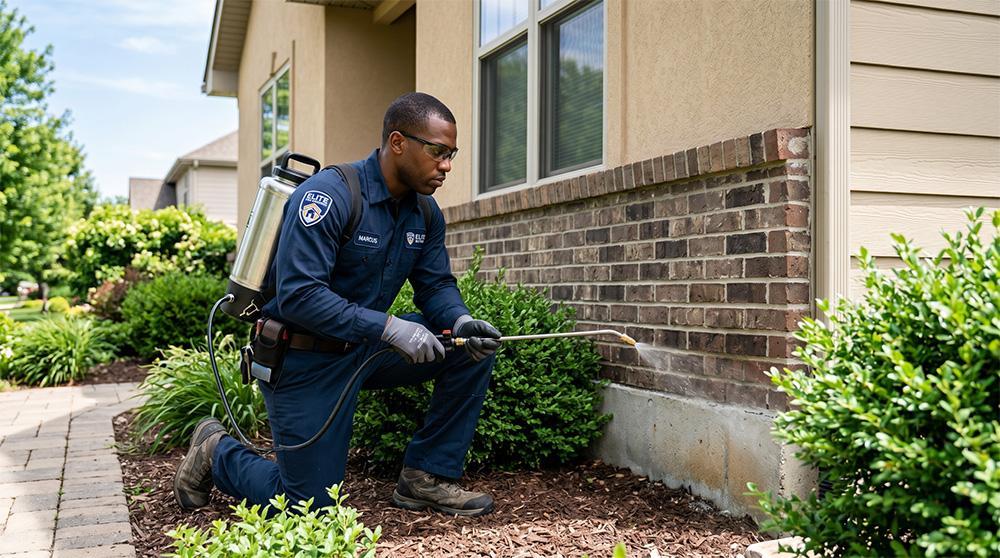
Technicians can inspect areas such as doors, windows, foundations, eaves, utility penetrations, garages, landscaping, and other vulnerable locations.
3. Addressing Conditions That Attract Pests
Food residue, standing water, excessive vegetation, clutter, and moisture can all contribute to pest activity. Professional service works best when these conditions are also addressed.
4. Monitoring Recurring Activity
A recurring program gives homeowners a way to notice patterns before a small issue becomes a persistent indoor problem.
What Should Homeowners Do Between Pest Control Visits?
Professional treatment is only one part of effective pest management. Homeowners can make scheduled service more effective by reducing conditions that invite pests.
Use this simple checklist:
- 1Seal obvious gaps around doors, windows, vents, and utility openings.
- 2Store food properly and clean crumbs or spills promptly.
- 3Keep garbage containers closed and clean them regularly.
- 4Fix leaks and excess moisture around the property.
- 5Trim vegetation that directly contacts exterior walls where practical.
- 6Watch for recurring signs, including droppings, nests, webs, trails, gnaw marks, or unusual odors.
- 7Tell your technician what has changed since the previous visit.
If you want a deeper look at why local homeowners turn to professional providers, see Why Central Valley Homeowners Choose Professional Pest Control Companies for additional guidance.
Choosing the Right Pest Control Approach
When evaluating Central Valley pest control, homeowners should ask what is included beyond the application itself.
A useful conversation with a provider should cover:
- Which pests are included?
- How frequently will visits occur?
- What areas will be inspected?
- What preparation is required?
- What should homeowners do after treatment?
- How are recurring pest problems handled?
- When would the service frequency be adjusted?
Conclusion: Build a Pest Management Schedule That Fits Your Home
There is no single pest control schedule that works for every Central Valley property. The most practical approach considers the pest species, previous activity, seasonal conditions, property features, and effectiveness of previous treatments. Regular inspection and monitoring can help homeowners respond before recurring pest activity becomes a larger household concern.
For homeowners who want a locally focused approach, TruBug Pest Control provides residential pest management throughout the Central Valley. Choose a service schedule based on your home's actual pest pressure, not simply a one-size-fits-all calendar.
Ready to take a more proactive approach to pest prevention? Contact [TruBug Pest Control](https://trubugpest.com/) to discuss a service plan suited to your home.
Frequently Asked Question
How often should a home receive pest control?
Many residential programs use quarterly, bimonthly, or monthly visits, but the appropriate schedule depends on the pest, property, environment, and treatment plan.
Is quarterly pest control enough for a Central Valley home?
It can be suitable for some homes with moderate pest pressure, but properties with recurring or seasonal problems may benefit from more frequent monitoring or targeted treatments.
Can professional pest control prevent pests from returning?
No treatment can guarantee that pests will never return. However, professional treatment combined with monitoring, exclusion, sanitation, and moisture management can help reduce recurring activity.