

Pest education
Common Pest Problems Affecting Homes in the Central Valley
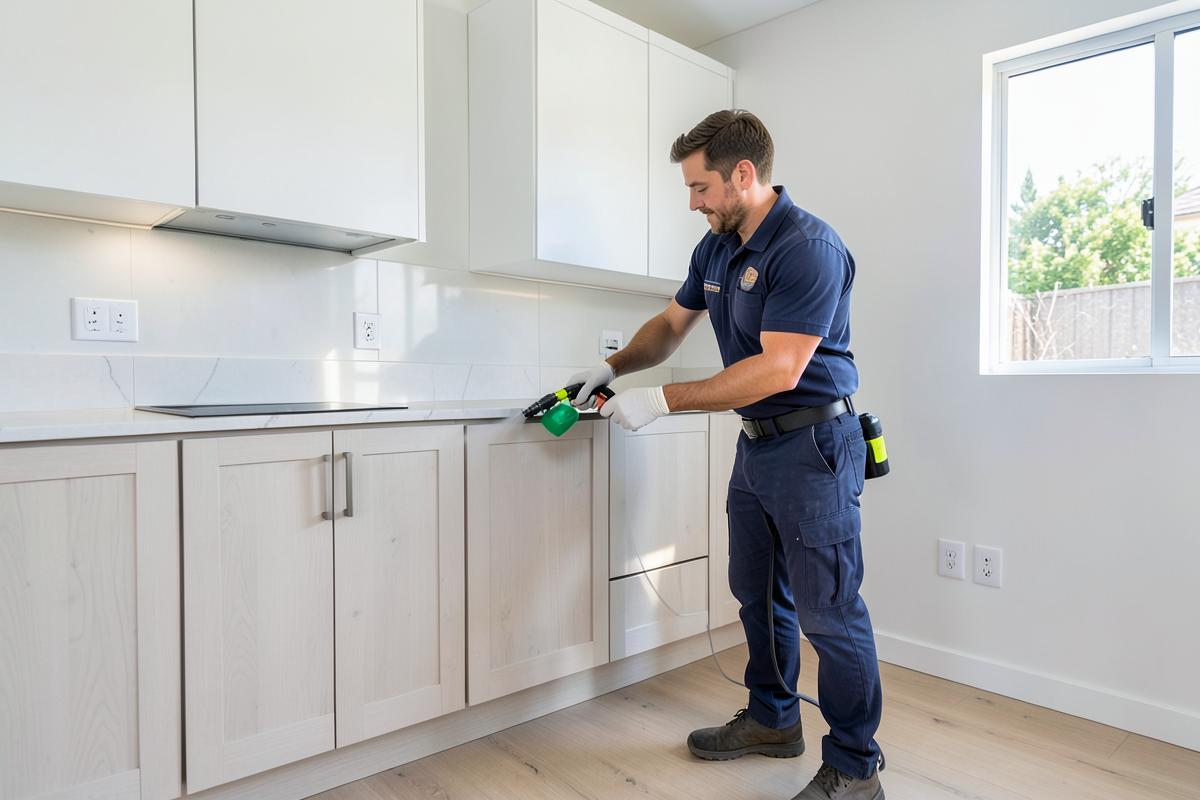
Key Takeaways
- Ants, cockroaches, termites, rodents, mosquitoes, and other pests can create recurring problems around Central Valley homes.
- Early identification helps homeowners address conditions that attract pests before an infestation becomes harder to manage.
- Sealing entry points, reducing food and water sources, and maintaining outdoor areas can support prevention.
- Professional inspection can help identify pest activity and determine an appropriate treatment approach.
Why Are Pest Problems Common in Central Valley Homes?
Have you noticed ants along a kitchen counter, cockroaches near a garage, or mosquitoes gathering around the yard? Central Valley homes can encounter a wide range of pest issues because homes, landscaping, food, moisture, and outdoor habitats can provide opportunities for pests to find shelter and resources. Understanding common household pests makes it easier to recognize warning signs and respond appropriately. For homeowners searching for Central Valley pest services, knowing what attracts different pests is an important first step toward protecting the home.
Ants Can Quickly Become an Indoor Nuisance
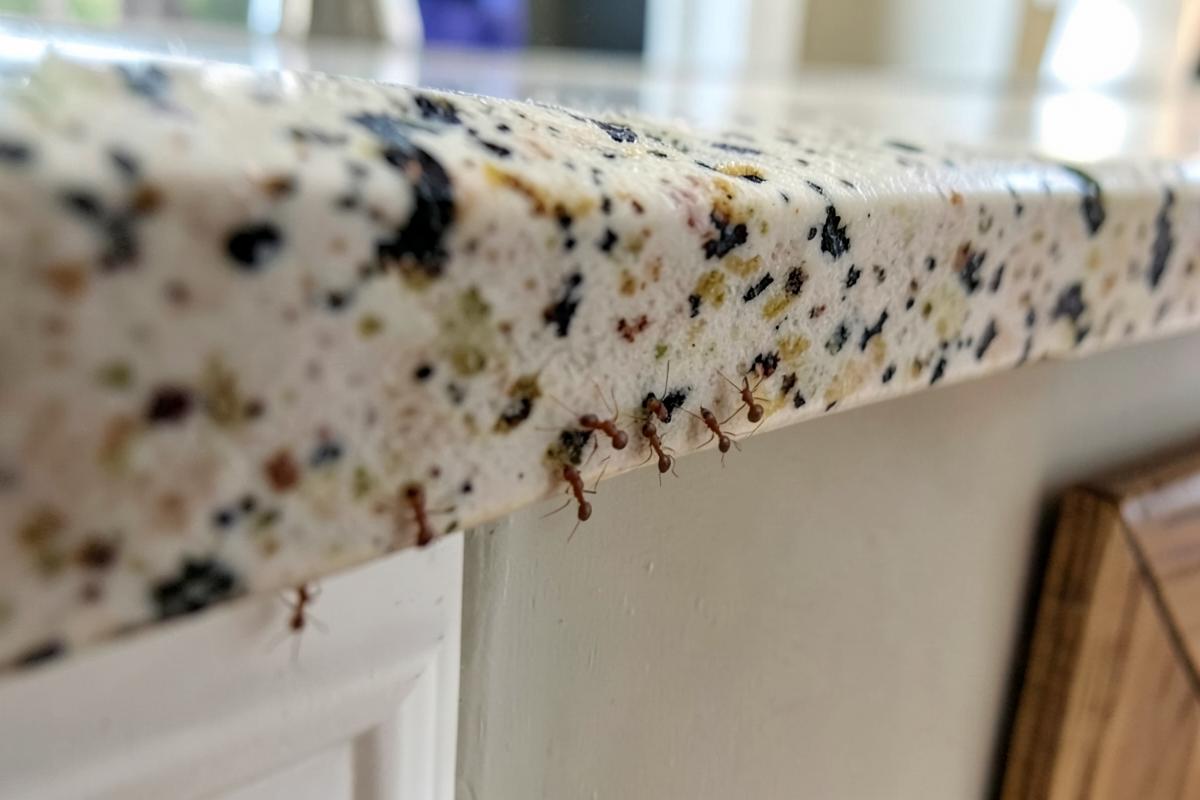
Ants are among the most recognizable household pests. They may enter through small openings around doors, windows, foundations, utility lines, and other access points while searching for food or water. A few ants do not necessarily mean there is a major infestation, but repeated trails can indicate an established route or nearby nesting activity. California is home to many ant species, and their habits differ, making identification useful when determining an appropriate management strategy. Homeowners can reduce attractants by:
- Cleaning food crumbs and spills promptly
- Keeping food in sealed containers
- Removing standing water where possible
- Trimming vegetation away from the structure
- Sealing visible cracks and openings
Cockroaches Thrive Where Food and Moisture Are Available
Cockroaches can be particularly difficult to manage once they establish harborage indoors. Kitchens, bathrooms, garages, utility spaces, and areas with food, water, warmth, or clutter can provide suitable conditions.
The German cockroach is the most common indoor cockroach species in California, while other species may also occur around homes. UC IPM notes that cockroaches can contaminate food and surfaces and may contribute to indoor allergen concerns.
Regular cleaning helps, but sanitation alone may not resolve an established infestation. Finding where cockroaches hide, enter, and access food or moisture is equally important.
Termites Can Affect Wooden Structures
Termites deserve particular attention because they can remain hidden while feeding within or around wooden components. Drywood termites occur in California and can extend into the Central Valley. They are difficult to detect because they often remain inside wood and may not become obvious until activity or swarming reveals their presence.
Possible warning signs include discarded wings, damaged wood, small piles of termite droppings, or visible swarmers. Because termite species and treatment requirements vary, suspected activity should be professionally evaluated rather than assumed to be a particular species.
Other Pest Problems Homeowners Should Watch For
Rodents Can Enter Through Surprisingly Small Openings
Mice and rats can create problems in attics, garages, crawl spaces, walls, and other sheltered areas. Signs may include droppings, gnaw marks, scratching sounds, nesting material, or unusual odors.
Rodent prevention starts with exclusion. Inspect areas around doors, vents, pipes, roofing features, and utility penetrations for openings. Food should also be stored securely, and outdoor garbage should remain in tightly closed containers. In worst cases, immediate Central Valley pest control is the only way out.
Mosquitoes Can Make Outdoor Spaces Uncomfortable
Mosquito activity can become especially noticeable when outdoor areas provide standing water. Even relatively small amounts of stagnant water may support mosquito development, depending on the species and conditions.
UC IPM recommends reducing standing water, repairing damaged screens, and taking steps to reduce exposure during periods of mosquito activity. Some mosquito species in California can transmit disease-causing microorganisms, so persistent activity deserves attention.
Spiders, Fleas, and Other Pests Also Matter
Not every pest requires the same response. Spiders may appear where other insects provide a food source, while fleas can become a concern in homes with pets or wildlife activity. Flies, earwigs, pantry pests, wasps, and other insects can also enter homes under favorable conditions.
UC IPM maintains guidance covering a broad range of pests that affect homes, structures, people, and pets.
Common Pest Problems at a Glance
| Pest | Common Warning Signs | Helpful Prevention Step |
|---|---|---|
| Ants | Trails, nests, repeated indoor activity | Remove food and water sources |
| Cockroaches | Droppings, odors, live or dead insects | Reduce food, moisture, and hiding areas |
| Termites | Swarmers, discarded wings, damaged wood | Arrange professional inspection |
| Rodents | Droppings, gnawing, scratching sounds | Seal entry points |
| Mosquitoes | Frequent bites and outdoor activity | Remove standing water |
What Pest Control Services Are Available in the Central Valley?
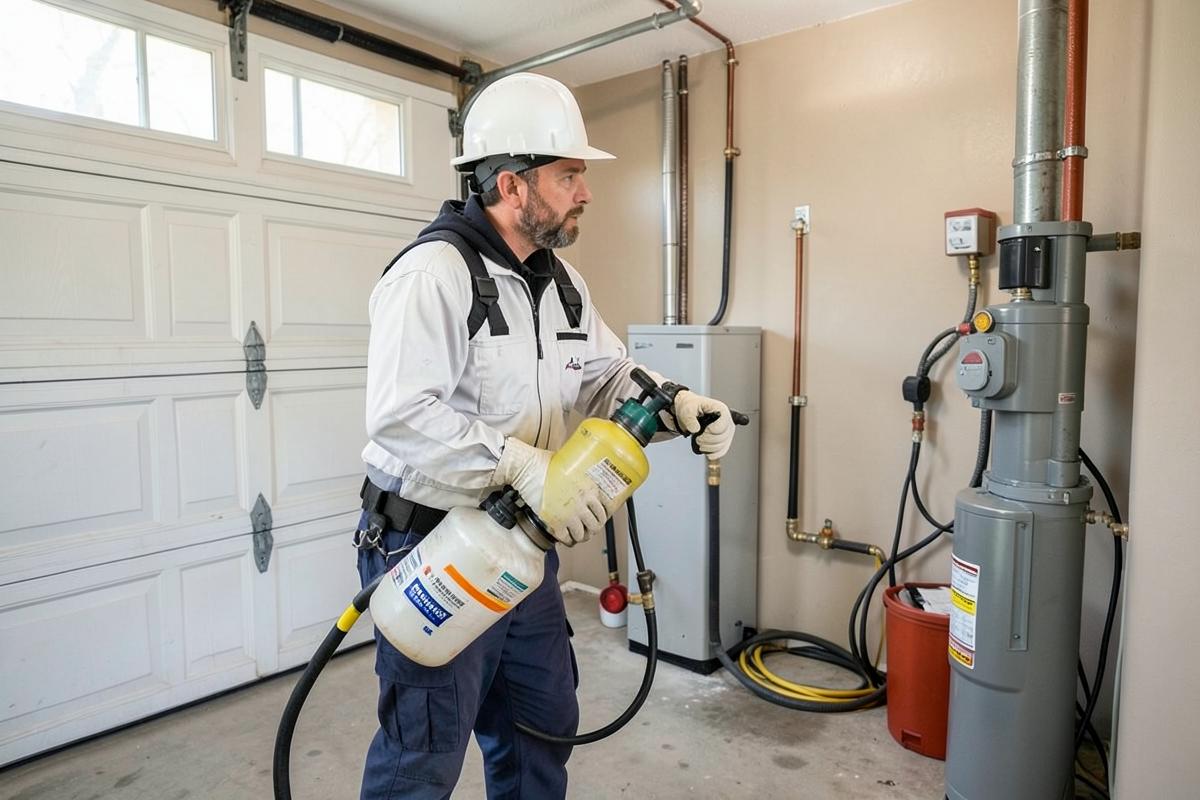
The answer depends on the pest, location, severity of the problem, and conditions contributing to the activity. Pest control services in the Central Valley may include inspection, pest identification, targeted treatments, exclusion recommendations, monitoring, and preventive service plans.
A useful approach begins with identification rather than simply treating visible insects. Integrated pest management, or IPM, combines monitoring, prevention, identification, and appropriate control methods while considering risks to people and the environment.
For example, treating ants without addressing food sources or access points may leave conditions that encourage future activity. Similarly, addressing a rodent sighting without checking potential entry points can leave the underlying problem unresolved.
Protecting Central Valley Homes With the Right Approach
TruBug Pest Control provides pest management services for homeowners dealing with common household pest concerns. Its services can help address pest activity through inspection, identification, treatment, and preventive strategies based on the conditions found at a property. The goal of pest control should not simply be to eliminate the pests that are visible today. A more practical approach considers why pests are present, where they are entering, and what conditions may support continued activity. Homeowners can explore the company's pest control services to learn more about available solutions.
For additional guidance, homeowners can also consult the University of California's Statewide Integrated Pest Management Program for information about pest identification and prevention.
FAQs
Frequently Asked Questions
Common household concerns can include ants, cockroaches, termites, rodents, mosquitoes, spiders, fleas, flies, and other insects. The specific pest problem can vary based on the home's construction, landscaping, moisture conditions, and surrounding environment.
Start by removing food and water sources, sealing openings, managing outdoor vegetation, keeping storage areas organized, and checking regularly for signs of pest activity. Early attention can help prevent small problems from becoming more difficult to manage.
Professional help can be useful when pest activity keeps returning, the source cannot be identified, structural damage is suspected, or basic prevention measures have not resolved the issue. A professional inspection can help determine the appropriate next step.
Avoid assuming the species or extent of the infestation based only on visible signs. Arrange an inspection so the activity can be properly identified and evaluated before deciding on treatment.