

Pest education
7 Signs You May Have a Rat or Mouse Infestation
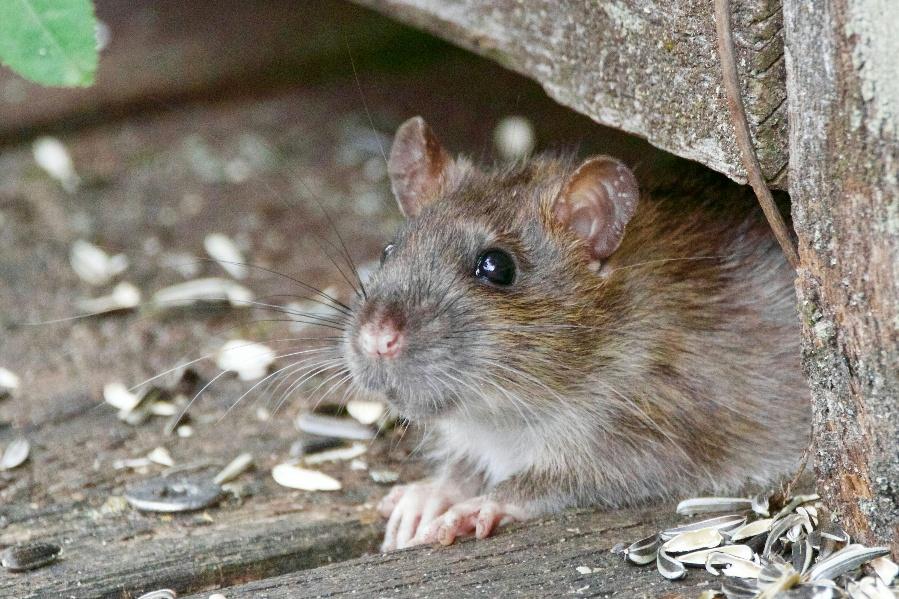
A rodent calling for attention and professional rat control in Clovis
Key Takeaways
- Watch for droppings, scratching sounds, gnaw marks, nesting materials, unusual odors, greasy tracks, and repeated rodent sightings.
- Effective rat control in Clovis combines inspection, targeted trapping, exclusion, sanitation, and follow-up monitoring.
- Seal entry points and remove accessible food and nesting materials to reduce the likelihood of recurring infestations.
- Seek professional help when rodents occupy inaccessible spaces, damage wiring, or continue appearing despite your prevention efforts.
Rodents can enter a property through surprisingly small openings, often remaining hidden until their activity becomes noticeable. Recognizing early warning signs helps homeowners take action before rats or mice damage wiring, contaminate food, or establish nesting areas. Effective rat control in Clovis starts with identifying the evidence, locating entry points, and addressing the conditions that attract rodents. From unusual scratching sounds to unexplained food damage, these seven signs can help you determine when your home may need attention.
1. Droppings in Cabinets, Garages, or Pantries
Rodent droppings are among the clearest signs of an infestation. You may find them along walls, inside cupboards, beneath sinks, behind appliances, or near stored food.
Mouse droppings are generally small and rice-shaped, while rat droppings are typically larger. However, droppings alone cannot reliably identify the species or reveal how many rodents are present.
What to do: Avoid sweeping or vacuuming droppings, which can release contaminated particles into the air. Follow the Centers for Disease Control and Prevention's rodent cleanup guidance for safe cleanup procedures, including appropriate disinfection and protective equipment.
2. Scratching or Scurrying Sounds at Night
Rats and mice are often most active after dark, making nighttime noises a useful warning sign. Listen for scratching, running, or gnawing sounds in ceilings, walls, attics, and crawl spaces.
Pay attention to where the sounds occur. Repeated noises around ceiling voids may indicate activity in an attic, while sounds beneath kitchen cabinets could suggest rodents moving around plumbing or appliances.
Occasional household noises are not conclusive evidence of rodents. However, recurring sounds combined with droppings or gnaw marks warrant further inspection.
3. Gnaw Marks on Food Packaging and Household Materials
Rodents gnaw to maintain their teeth and access food or nesting materials. Look for torn cereal packets, damaged food containers, chewed cardboard, and bite marks on wooden objects.
Chewed electrical wiring is particularly concerning because damaged insulation can create electrical hazards. Do not touch exposed wires or attempt repairs yourself; contact a qualified electrician when necessary.
Store dry goods in tightly sealed, rodent-resistant containers and remove accessible food scraps promptly.

Several rats needing expert rodent extermination in Clovis
4. Greasy Marks and Tracks Along Walls
Rats and mice often travel close to walls and along familiar routes. Their fur can leave dark, greasy marks around holes, baseboards, pipes, and other frequently used pathways.
Dusty areas may also reveal tiny footprints or tail marks. These clues can help professional rodent extermination in Clovis identify likely travel routes and investigate nearby nesting locations.
Avoid relying on one mark alone. Dust, grease, and ordinary household dirt can resemble rodent evidence, so look for multiple signs in the same area.
5. Nests Made From Shredded Materials
Rats and mice build nests in quiet, sheltered locations using materials such as paper, fabric, cardboard, and insulation. Check storage boxes, garage corners, attic insulation, and spaces behind appliances for piles of shredded material.
Nesting debris combined with droppings, damaged materials, or a musky smell is a stronger indication of rodent activity than any single sign.
Avoid reaching into suspected nesting areas with bare hands. Rodents may bite when disturbed, and contaminated materials require careful handling.
6. A Musky or Unusual Smell
A persistent, stale, musky odor can indicate rodent activity in an enclosed space. The smell may be strongest near cupboards, wall voids, attics, or areas where rodents nest or leave urine and droppings.
An unexplained odor can also come from plumbing problems, moisture, or other pests. Investigate the source rather than masking it with air fresheners.
If the smell is concentrated in an inaccessible wall or ceiling, rodent extermination in Clovis can help determine whether rodents are responsible.
7. Live Rodents or Repeated Sightings
Seeing a rat or mouse indoors is an obvious warning sign. One sighting does not necessarily prove a large infestation, but repeated sightings or activity in several rooms suggests the problem needs attention.
Rats and mice can enter through gaps around pipes, garage doors, vents, foundations, and rooflines. Check these areas for openings, especially where exterior vegetation, stored materials, or accessible food provide shelter and resources.
For additional attic-specific guidance, read Roof Rats in Attics: What Actually Works (and What Doesn't) to understand why exclusion and targeted trapping are important.

Professional rat control in Clovis helping remove active rodents.
What Is the Best Way to Get Rid of Rats and Mice in Clovis?
The most effective approach combines a thorough inspection, removal of active rodents, sealing of entry points, and ongoing monitoring. Simply setting traps may not resolve the problem if rodents can continue entering the property.
Professional rat control in Clovis should address both the rodents already inside and the conditions allowing them to return.
Comparing Common Rodent Control Methods
| Method | Main purpose | Important consideration |
|---|---|---|
| Snap traps | Capture individual rodents | Placement and regular monitoring matter |
| Sealing entry points | Prevent rodents from entering | Use durable, rodent-resistant materials |
| Sanitation | Reduce access to food and nesting materials | Keep food sealed and storage areas organized |
| Bait stations | Control rodent activity | Require careful placement and precautions around children and pets |
| Professional inspection | Identify activity, entry points, and treatment needs | Helps coordinate removal and prevention |
Protect Your Home From Recurring Rodent Problems
Recognizing these seven warning signs early can help you address rodent activity before it leads to more extensive damage or contamination. Whether you discover droppings in a pantry, hear movement in the attic, or notice repeated sightings, focus on finding the cause rather than treating only the visible symptoms.
For homeowners seeking mouse control in Clovis, prevention is just as important as removing active rodents. Keep food secured, reduce clutter, maintain the exterior of your home, and inspect vulnerable entry points regularly.
If the signs continue or the source remains unclear, contact TruBug Pest Control to discuss an inspection and an appropriate rodent management plan for your property.
Frequently Asked Questions
Droppings, scratching sounds at night, gnaw marks, and damaged food packaging are common early warning signs. Look for multiple clues in the same area to help confirm rodent activity.
The most effective approach combines inspection, appropriate trapping, sealing entry points, removing food sources, and monitoring. Professional pest control can help identify hidden activity and select suitable treatment methods.
Yes. Mice can squeeze through openings approximately 6 millimeters wide, while rats can enter through openings around 12 millimeters wide, depending on their size and flexibility. Inspect gaps around pipes, doors, vents, and rooflines.