

Seasonal
The Central Valley Pest Calendar: What Shows Up Each Season
Key Takeaways
- The Valley follows a predictable pest calendar tied to rain, irrigation, and heat ants push indoors in February and March, spiders and wasps activate in April and May, and roof rats move in as soon as nights cool in September and October.
- Argentine ant colonies can span many connected nests with multiple queens, according to UC IPM, which is why timing and baiting matter more than which product you spray.
- September and October are the single best window for rodent exclusion in older Central Valley neighborhoods with mature trees and tile roofs, before rats settle into attics for winter.
- Rodents can carry dozens of transmissible diseases, per the CDC, which is why sealing entry points matters as much as trapping once activity starts.
- Treating on a calendar ahead of swarm season, ahead of the first cool nights consistently takes less effort than treating an infestation that's already established.
Why the Valley Runs on a Predictable Pest Schedule
Ants in spring, spiders in late summer, rodents the second it cools off the Central Valley runs on a pretty predictable pest schedule. Hot, dry summers, mild wet winters, and a lot of irrigation in between add up to a rhythm you can actually plan around. Once you know that rhythm, routine pest control in Central Valley stops being a reaction to a problem you already have and becomes a way to treat before the problem shows up at all.
Here's what that calendar actually looks like, month by month.
February and March: The First Ant Push
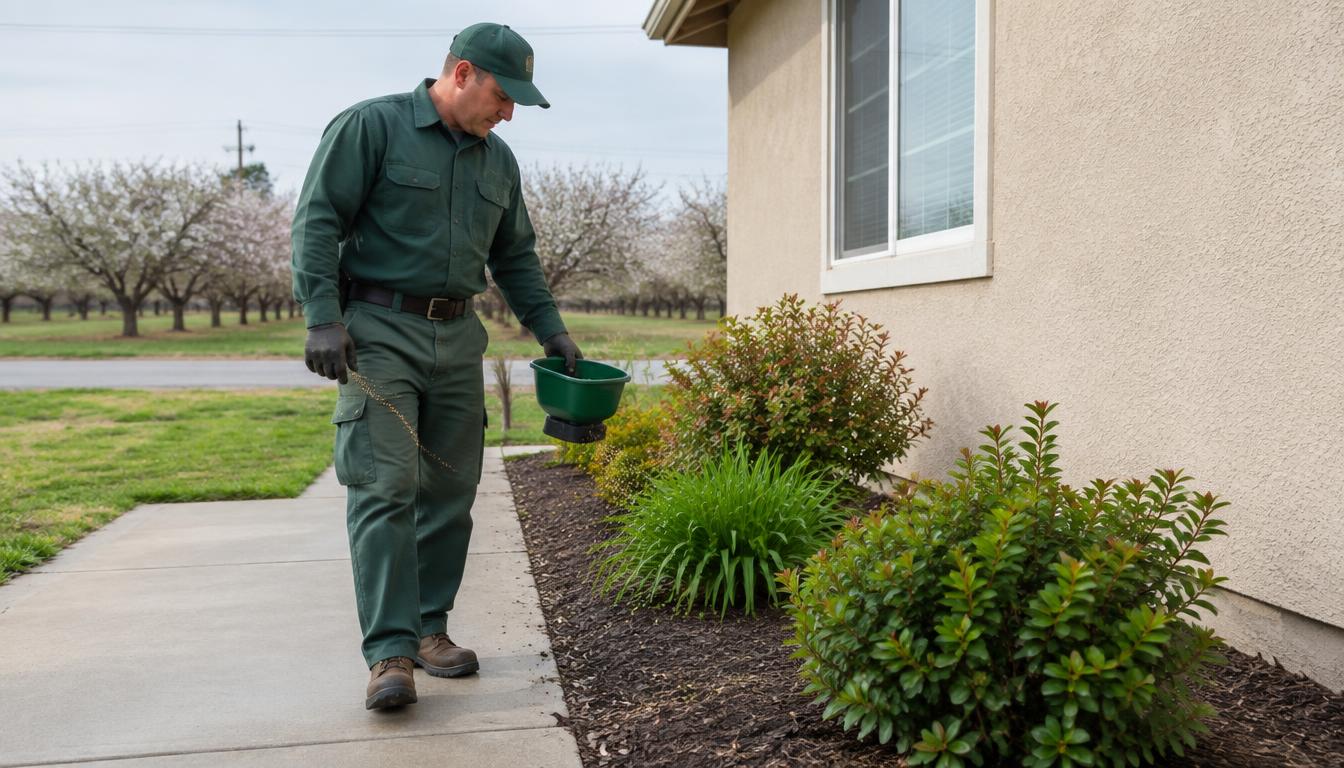
The rain stops, irrigation starts, and Argentine ants move out of the landscaping toward the slab. This is the single best month to treat. A granule application on the beds plus a foundation barrier in early March prevents most of the kitchen-counter ant calls we'd otherwise take in June.
April and May: Everything Wakes Up
Wasps start building. Spiders come out of the eaves. Earwigs and sowbugs show up under planters and around drip lines. Yellowjackets scout for nest sites, usually in wall voids and attic vents. This is also swarm season for winged ants, which is exactly why spring inboxes fill up with "is this an ant or a termite" photos.
June Through August: Heat Drives Everything to Moisture
When it hits a hundred and five, insects go where the water is your irrigated beds, your patio, the shady north side of the house, and any door you leave open even briefly. What shows up most this stretch:
- Spiders webbing eaves and patio corners, heavily
- Ants pushing indoors toward pet bowls and dishwashers
- Roaches active around trash areas and outdoor drains
- Wasp nests reaching full size
De-webbing on every visit matters more in this stretch than any other. It's the difference between a clean exterior and one covered in webbing by Labor Day.
September and October: Rodent Season Starts
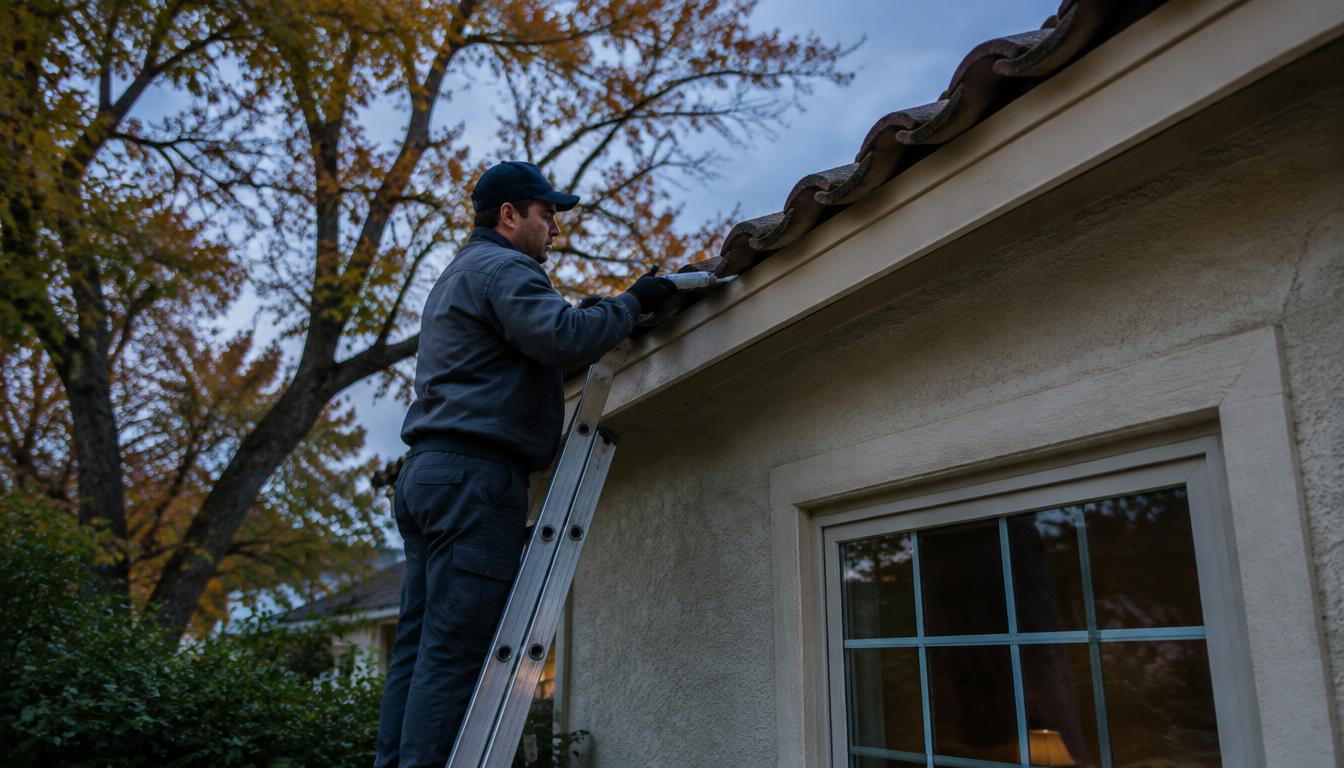
The first cool nights send roof rats toward attics and garages. In older Clovis and Fresno neighborhoods with mature trees and tile roofs, this is the busiest exclusion window of the year. Get sealing done now trapping a rat out of an attic in January costs more time and effort than closing the gap in September.
Central Valley Pest Calendar at a Glance
| Months | Primary Activity | What to Do |
|---|---|---|
| Feb–Mar | Argentine ants move from landscaping toward the slab | Granule application on beds plus a foundation barrier |
| Apr–May | Wasps, spiders, earwigs, sowbugs, and winged ant swarms | Exterior treatment before nesting sites establish |
| Jun–Aug | Spiders, ants, roaches, and wasp nests at full size | De-webbing every visit; ongoing exterior barrier |
| Sep–Oct | Roof rats move into attics and garages | Full exclusion and sealing before winter |
| Nov–Jan | Interior rodents, garage spiders, occasional roaches | Interior monitoring and exclusion follow-up |
November Through January: Quiet Outside, Busy Inside
Exterior activity drops off. Interior calls rise rodents in the attic, spiders in garages, and the occasional roach problem that came home in a grocery box. Winter is also when the best exclusion work happens, because pest pressure is low and there's time to do the sealing right instead of rushing it.
Ant Swarmers or Termite Swarmers? How to Tell the Difference
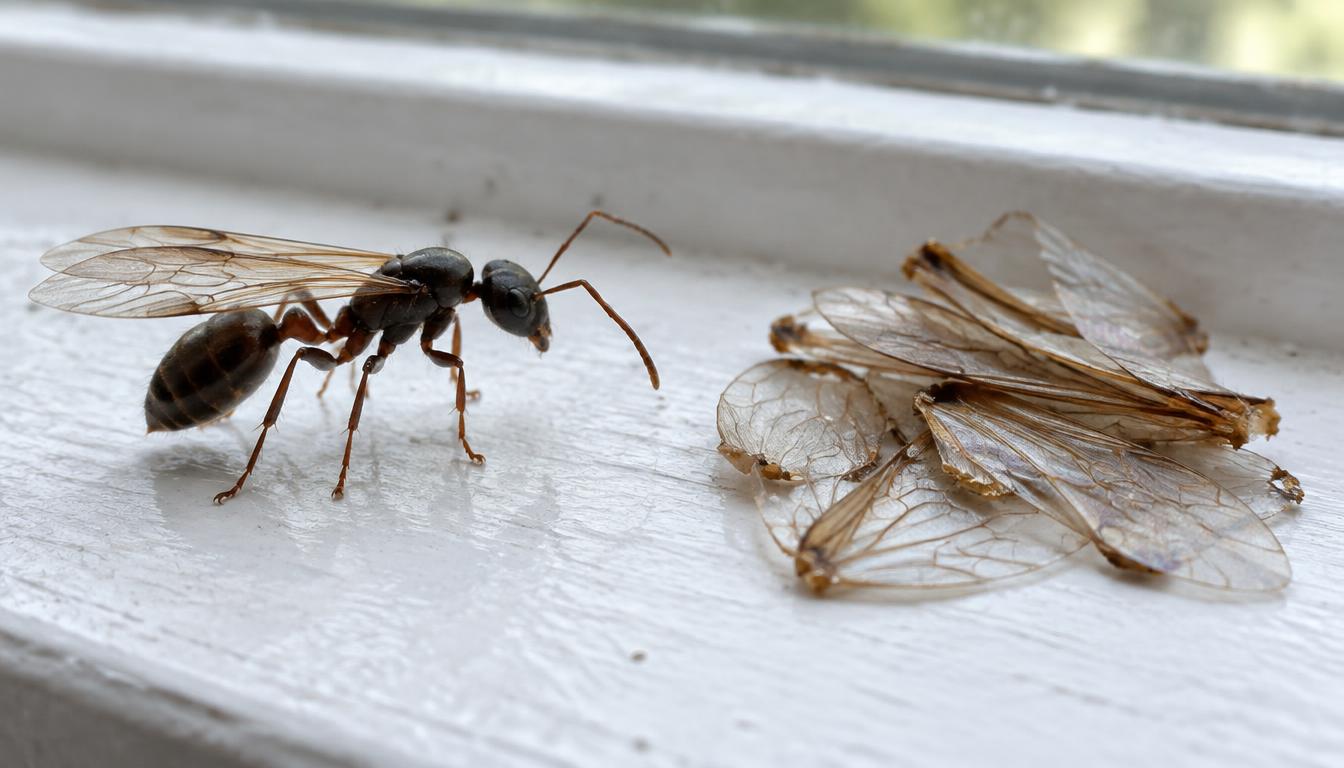
Spring swarm season is when we get the most "is this an ant or a termite" photos, and the honest answer is that the two are easy to mix up at a glance but simple to tell apart once you know what to look for.
Winged Ants vs. Winged Termites
| Feature | Winged Ants | Winged Termites |
|---|---|---|
| Antennae | Bent or "elbowed" | Straight, beaded |
| Waist | Pinched, narrow | Thick, no visible pinch |
| Wings | Two pairs, unequal length | Two pairs, equal length |
| Wingbehavior | Often stay attached | Shed easily, left in small piles |
For a closer look at Argentine ant behavior and colony structure specifically, UC Statewide IPM Program's identification guide is a solid reference it's the same research our technicians draw on when timing spring treatments.
Why Rodent Exclusion Timing Actually Matters
It's not just about the noise in the attic. The CDC notes that rodents can carry dozens of transmissible diseases, spread through droppings, urine, bites, or the fleas and ticks that hitch a ride on them. Sealing entry points before rats settle in for winter does more to protect a household than trapping ever will once they're already established inside the attic.
The Point of a Calendar
Pest control that reacts is always more expensive, in time and hassle, than pest control that anticipates. Recurring treatment plans built around this exact schedule are why a technician shows up with granules in March and a de-webbing pole in July not because it's routine for routine's sake, but because it's timed to what's actually happening outside that week.
The TruBug Pest Control Difference
This calendar isn't a generic guess it's the exact schedule TruBug Pest Control builds every recurring plan around for homes across Fresno, Madera, Kings, and Tulare counties, with the same dedicated technician showing up visit after visit instead of a rotating stranger guessing at what your home needs.
Frequently Asked Question
When is ant season in the Central Valley?
Ant activity typically starts in February and March as Argentine ants move from landscaping toward homes, and it continues through summer as heat pushes them indoors looking for water and food.
How can I tell the difference between winged ants and termites?
Check the antennae, waist, and wings. Ants have bent antennae, a pinched waist, and two pairs of unequal wings. Termites have straight, beaded antennae, a thick waist with no pinch, and two pairs of equal-length wings that shed easily and are often found in small piles.
When should I schedule rodent exclusion before winter?
September and October is the ideal window, right as the first cool nights start sending roof rats toward attics and garages. Sealing entry points before they settle in is far more effective than trapping them out once they've established a nest.
Is pest control necessary year-round in the Central Valley?
Yes, though the focus shifts by season exterior ant and spider treatment in spring and summer, rodent exclusion in fall, and interior monitoring in winter. A recurring plan timed to that rhythm generally prevents more problems than a single seasonal visit.